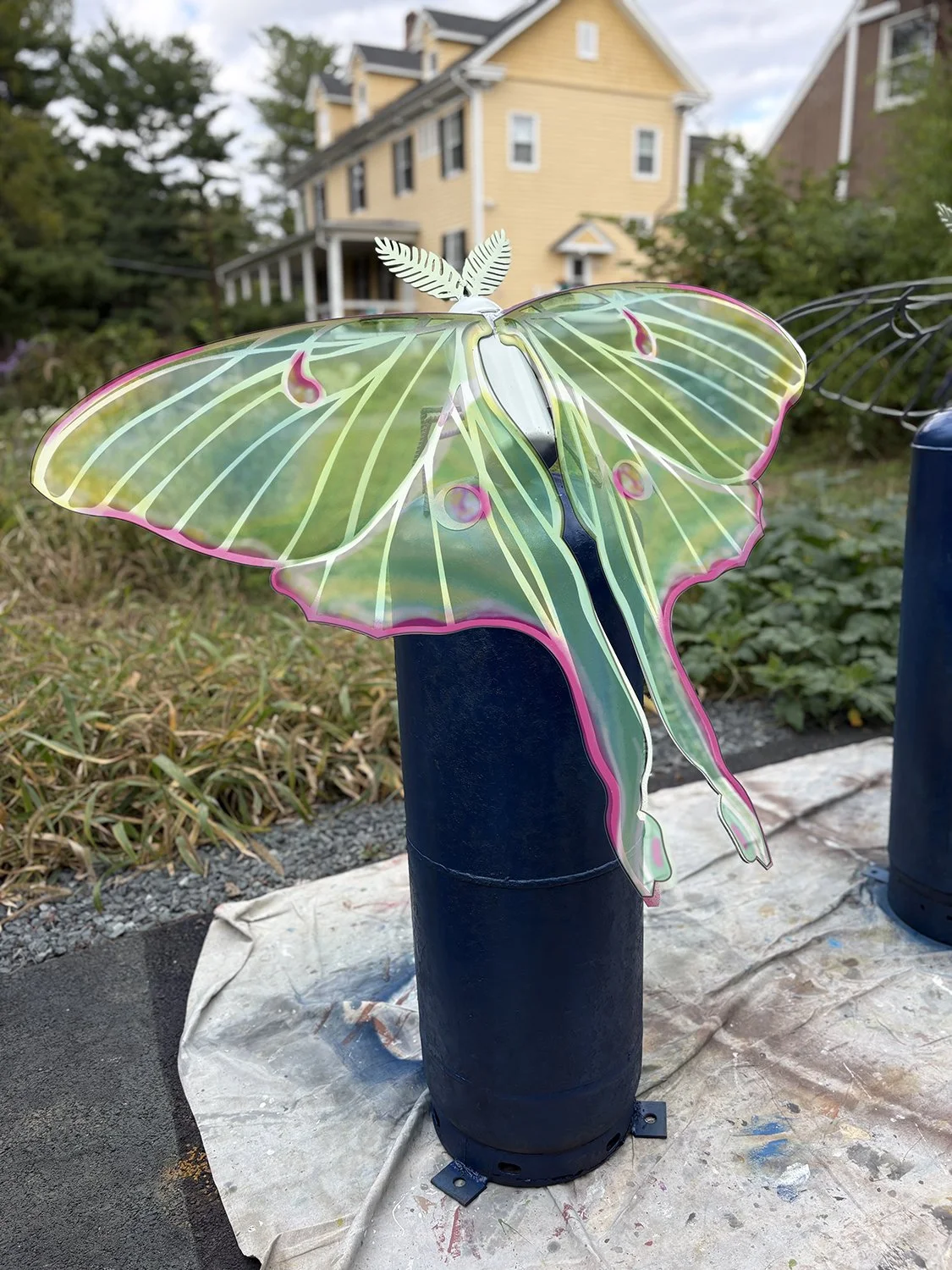
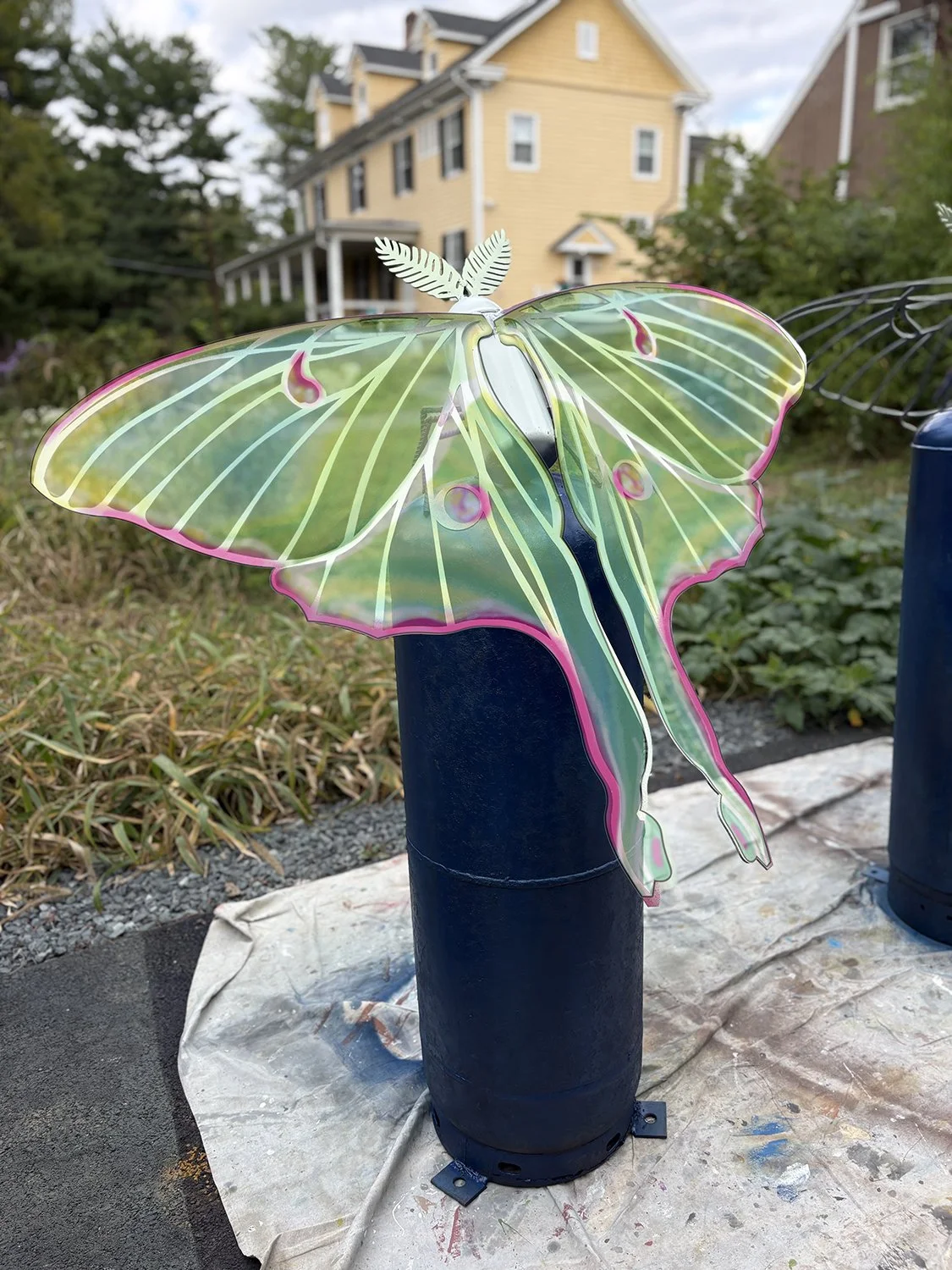
Luna Moth
2026+
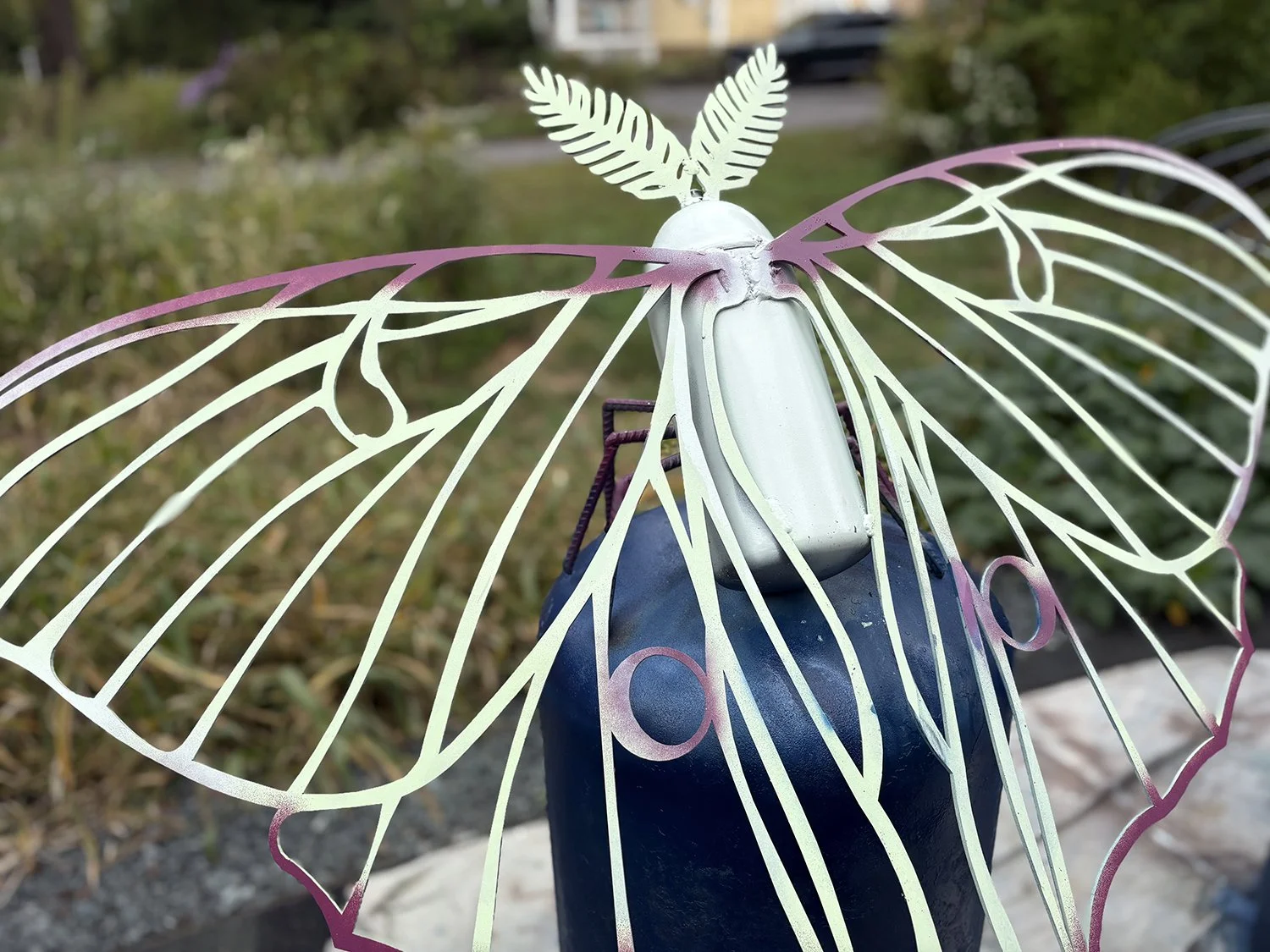
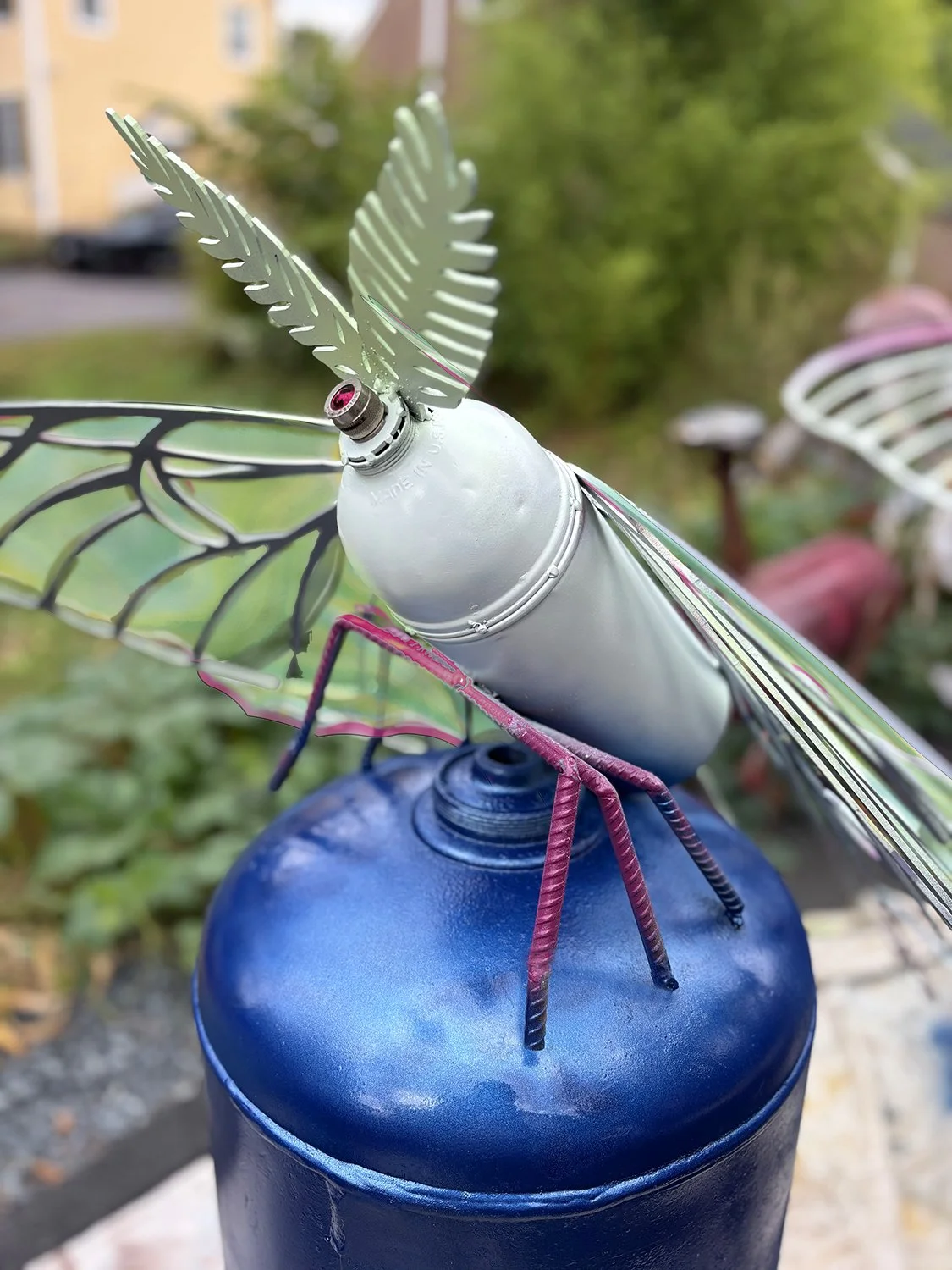
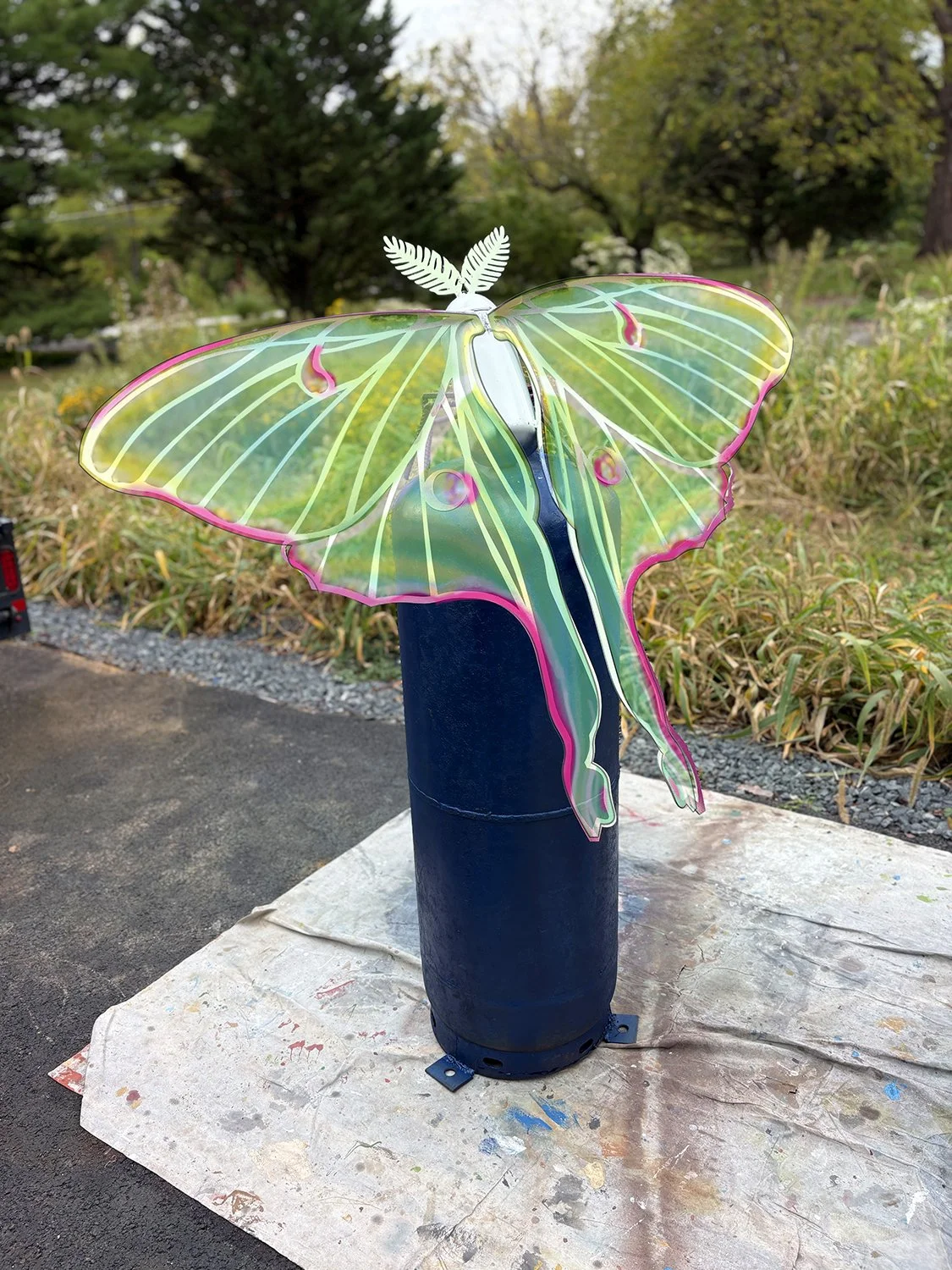
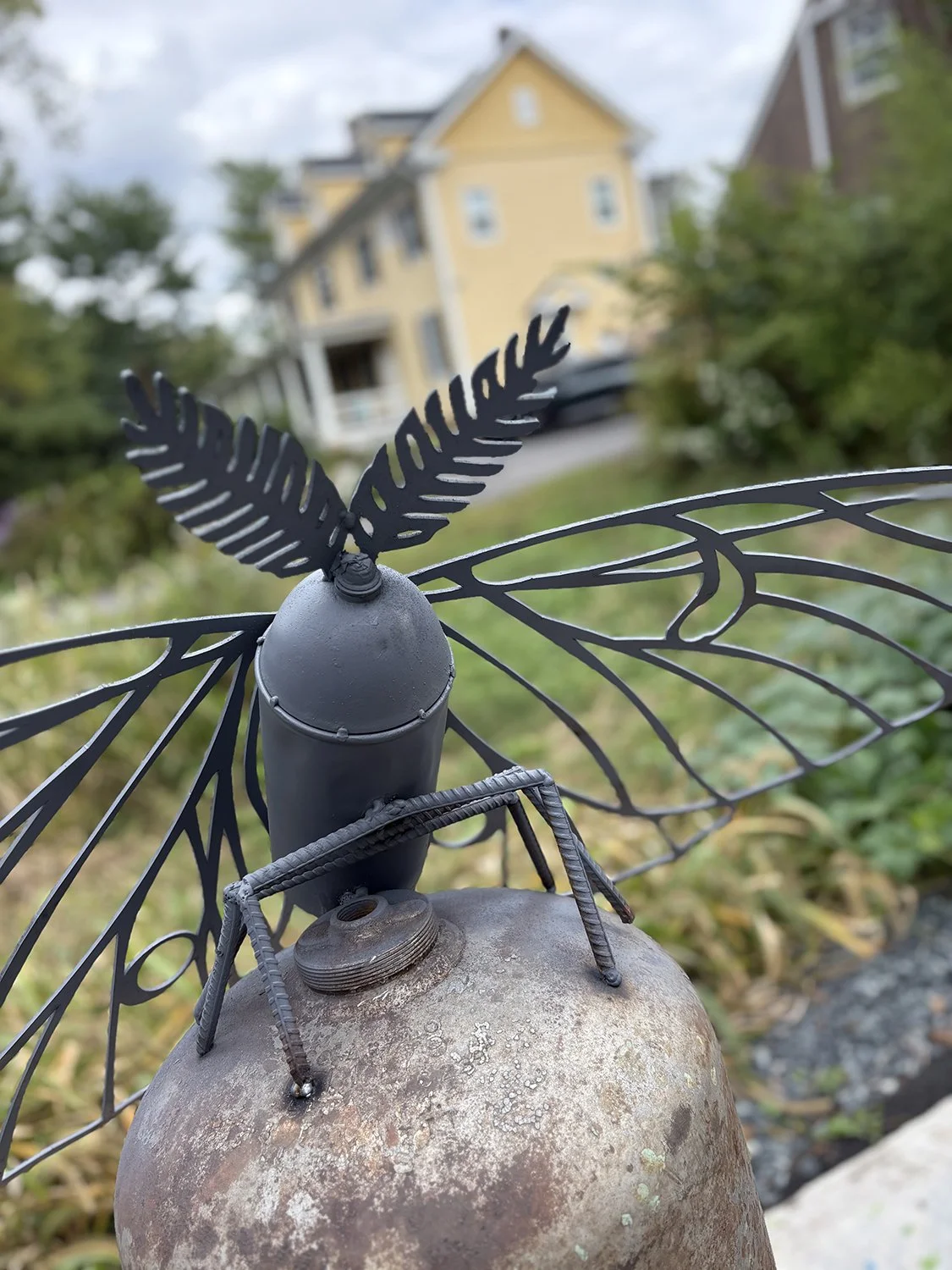
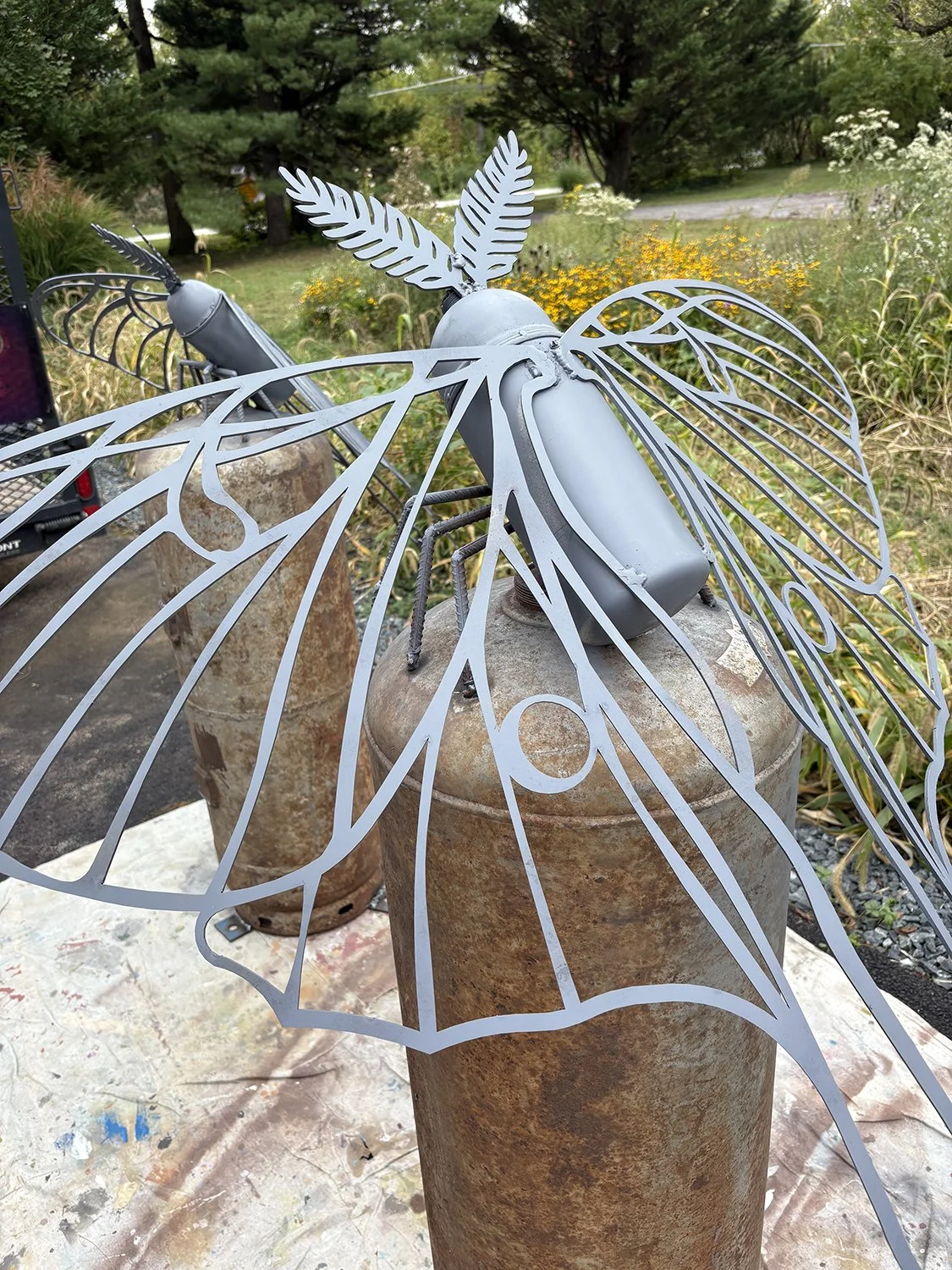
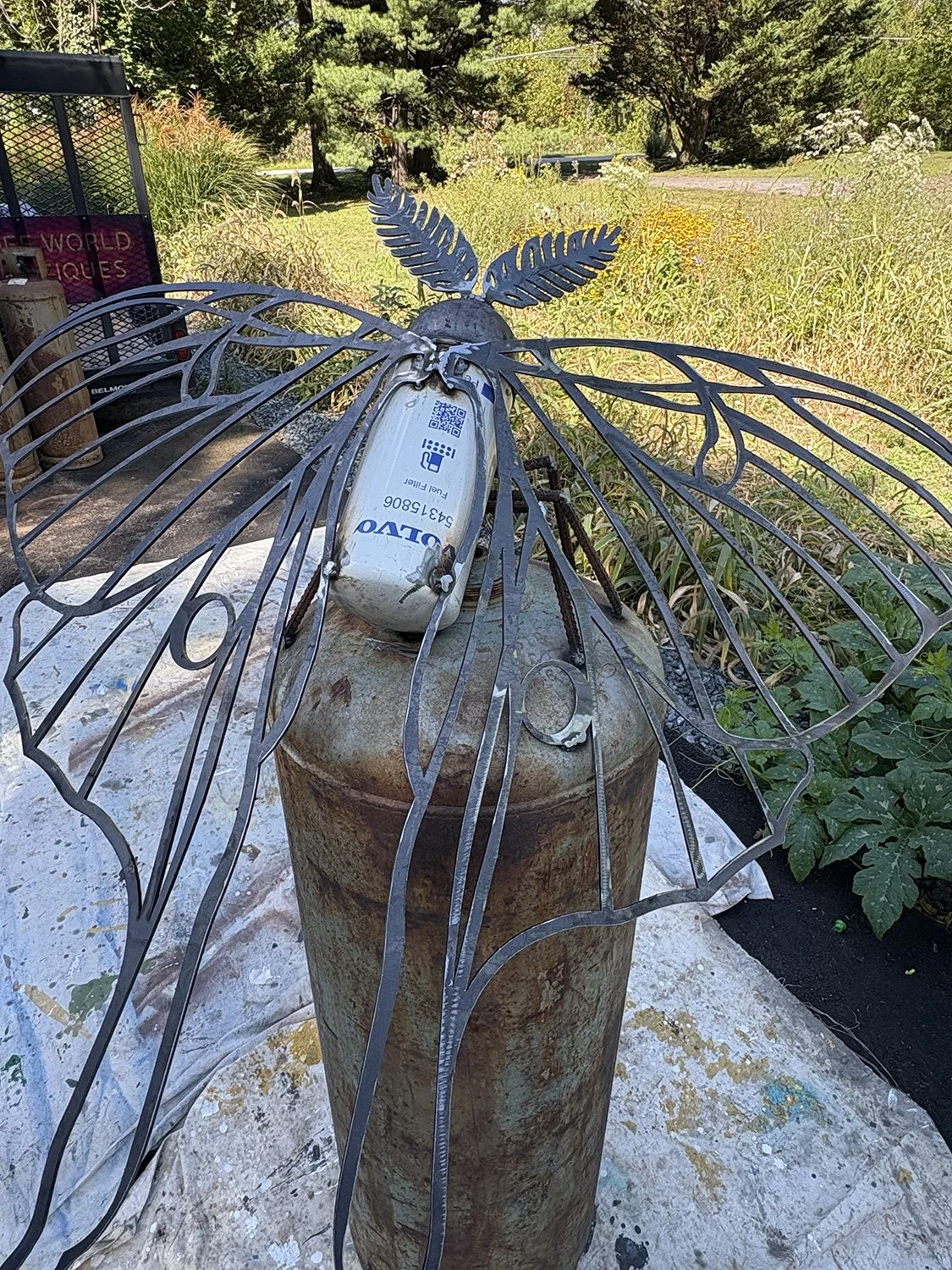
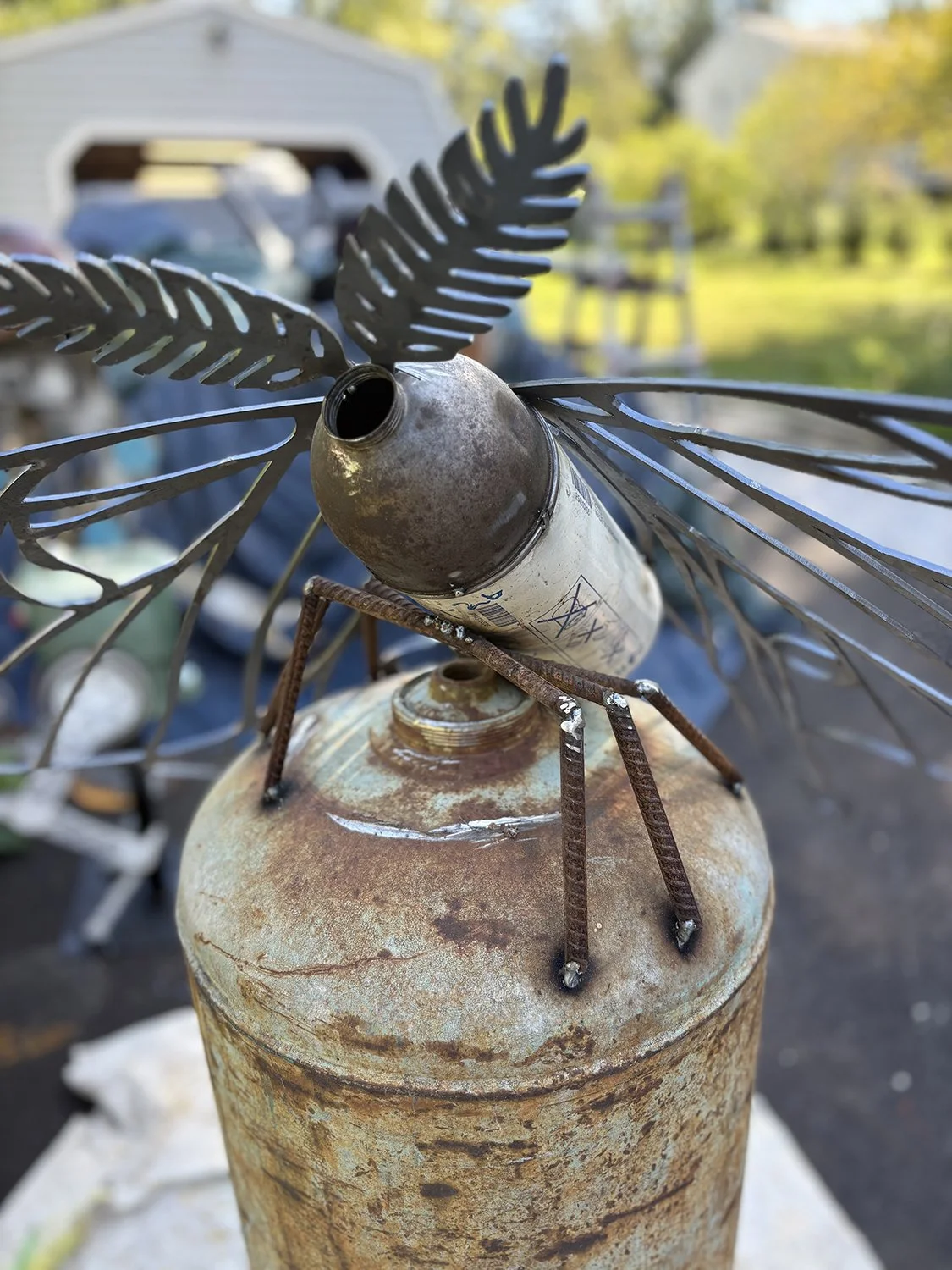
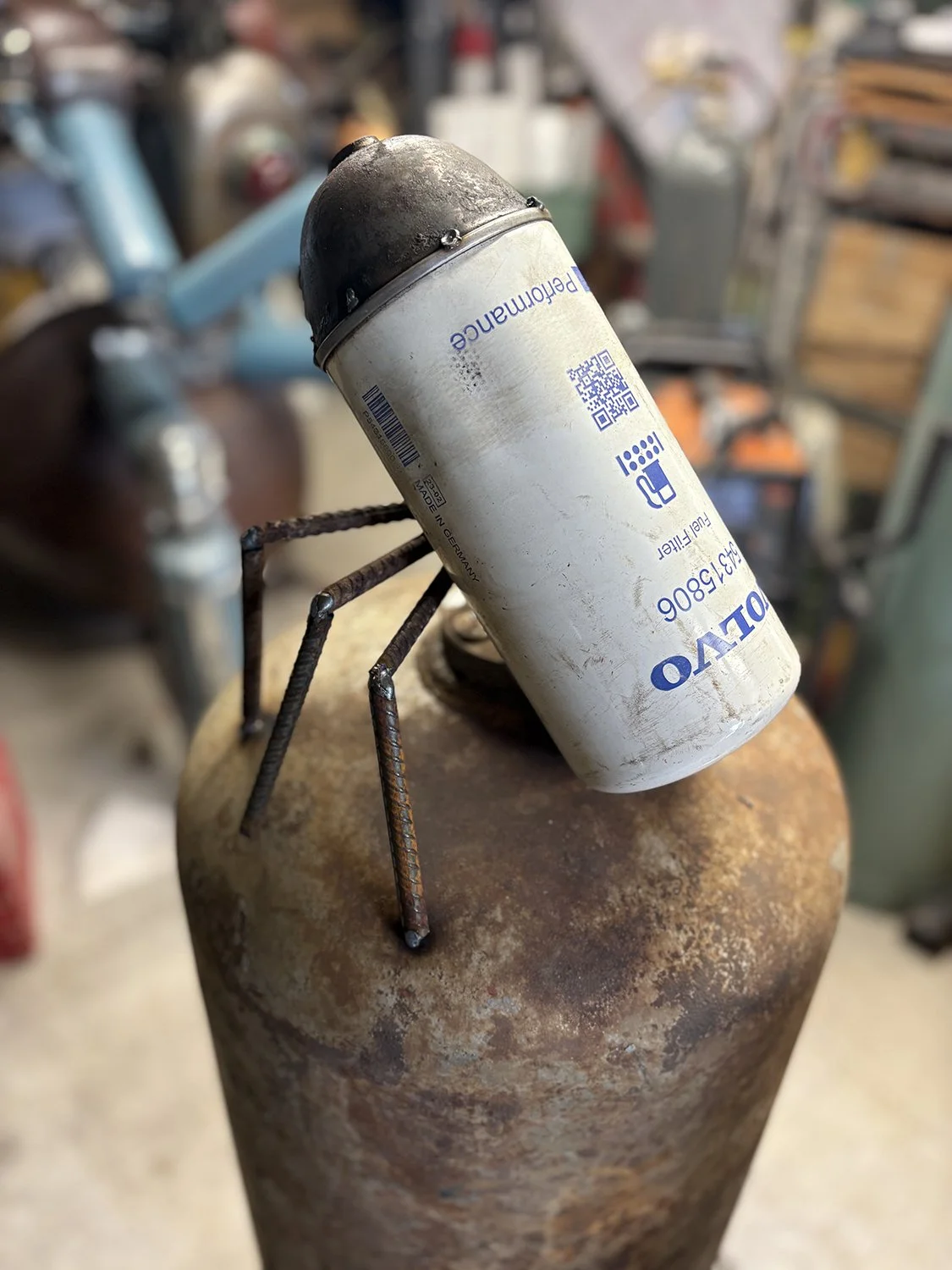
This striking 3x4 ft steel luna moth perches gracefully atop an up-cycled vertical propane tank, transforming an ordinary industrial object into a whimsical piece of art. The tank has been hand-painted to evoke a deep night sky, layered with rich blues, subtle stars, and celestial accents that create a dramatic backdrop for the moth’s delicate form. The wings are made from 1/4” clear acrylic with designs printed on using UV inks, and CNC cut to match the steel framework beneath, then bolted together.
With its sculptural wings spread in quiet motion, the luna moth seems ready to take flight, creating a magical meeting of nature, craftsmanship, and repurposed materials.
-
![]()
Luna Moth in progress
-
![]()
Luna Moth in progress
-
![]()
Luna Moth in progress
-
![]()
Luna Moth in progress
-
![]()
Luna Moth in progress
-
![]()
Luna Moth in progress
-
![]()
Luna Moth in progress
-
![]()
Luna Moth in progress
-
![]()
Luna Moth in progress
-
![]()
Luna Moth in progress

The Great Expansion:
The Swarm Architects: Robotic Insects for the Terraforming of Worlds
Before humanity sets foot on a distant moon, asteroid, or planet, an entirely different kind of pioneer will have already arrived. Not astronauts, not rovers, and not towering construction machines, but vast colonies of autonomous robotic insects, engineered to transform hostile extraterrestrial landscapes into the foundations of future human civilization.
These machines are the first architects of the solar system: synthetic organisms designed to crawl, burrow, bite, grind, excavate, and build. Delivered by cargo landers years ahead of human expeditions, they awaken in barren landscapes of fractured rock, ancient dust, frozen volatiles, and metallic debris. Guided by artificial intelligence and coordinated through swarm behavior, they begin the patient work of preparing a world for human arrival.
Their design draws inspiration from the extraordinary efficiency of terrestrial insect life. Instead of relying on a handful of enormous, complicated machines, the system deploys thousands—or millions—of specialized robotic creatures, each small enough to navigate difficult terrain, robust enough to operate in extreme environments, and inexpensive enough to lose without jeopardizing the entire mission.
Each species has a task. Some burrow into the ground to investigate subsurface conditions. Others excavate foundations, fracture boulders, harvest metals, extract ice, or transport materials between processing stations. Larger mechanical insects follow established pathways, assembling berms, radiation shields, landing pads, underground chambers, and the skeletal structures of future habitats.