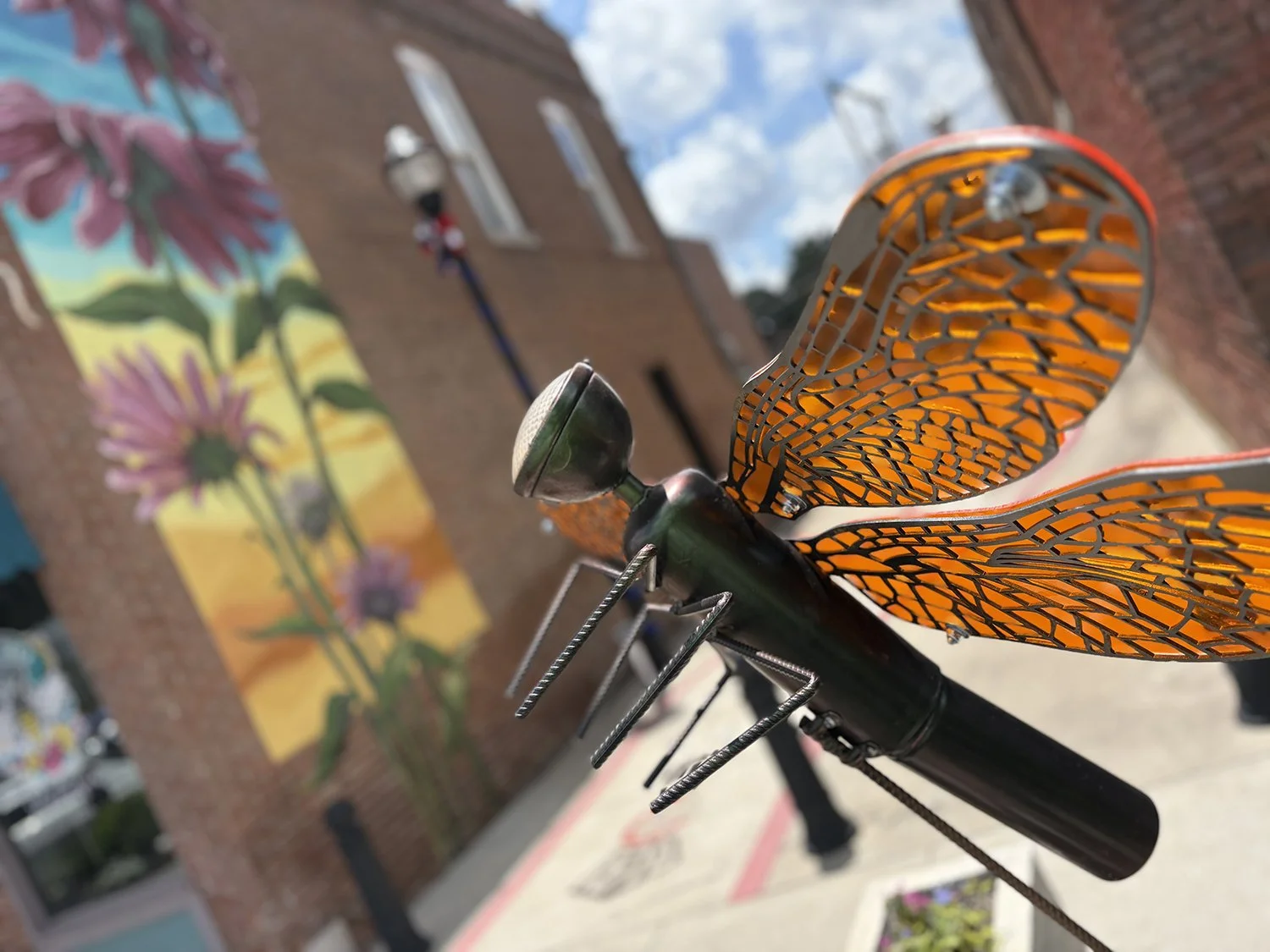
Lumenfly
2026+
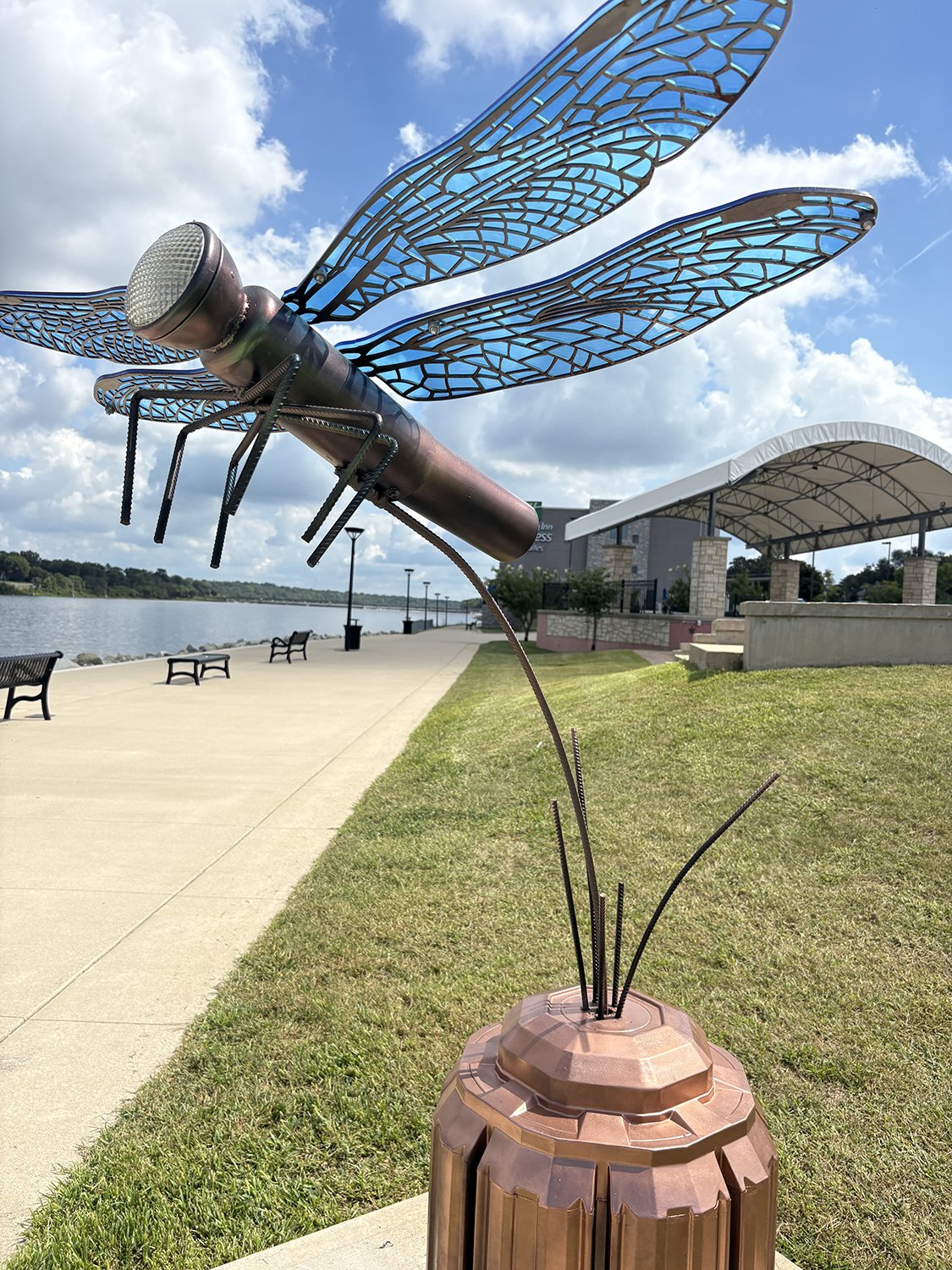
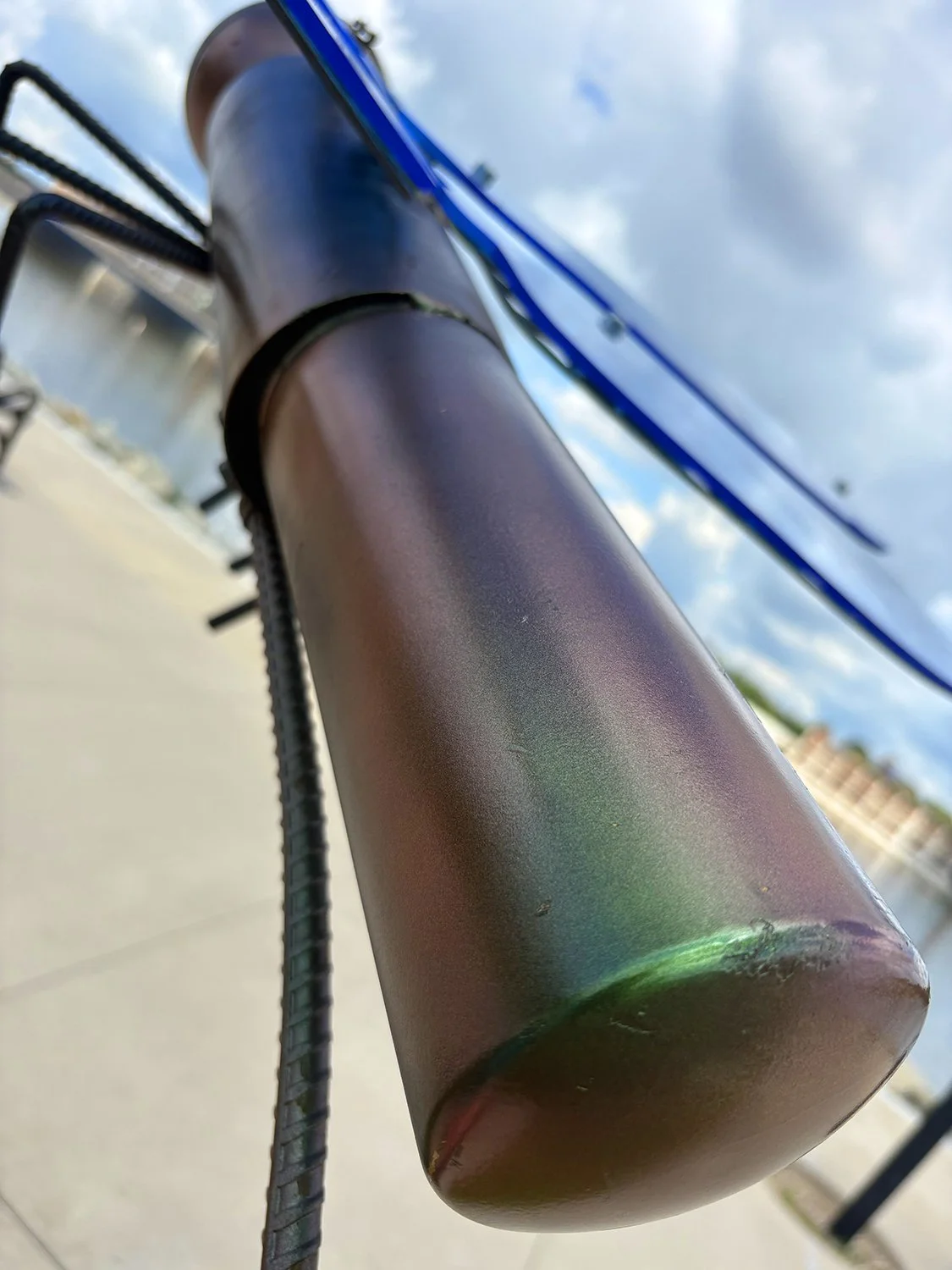
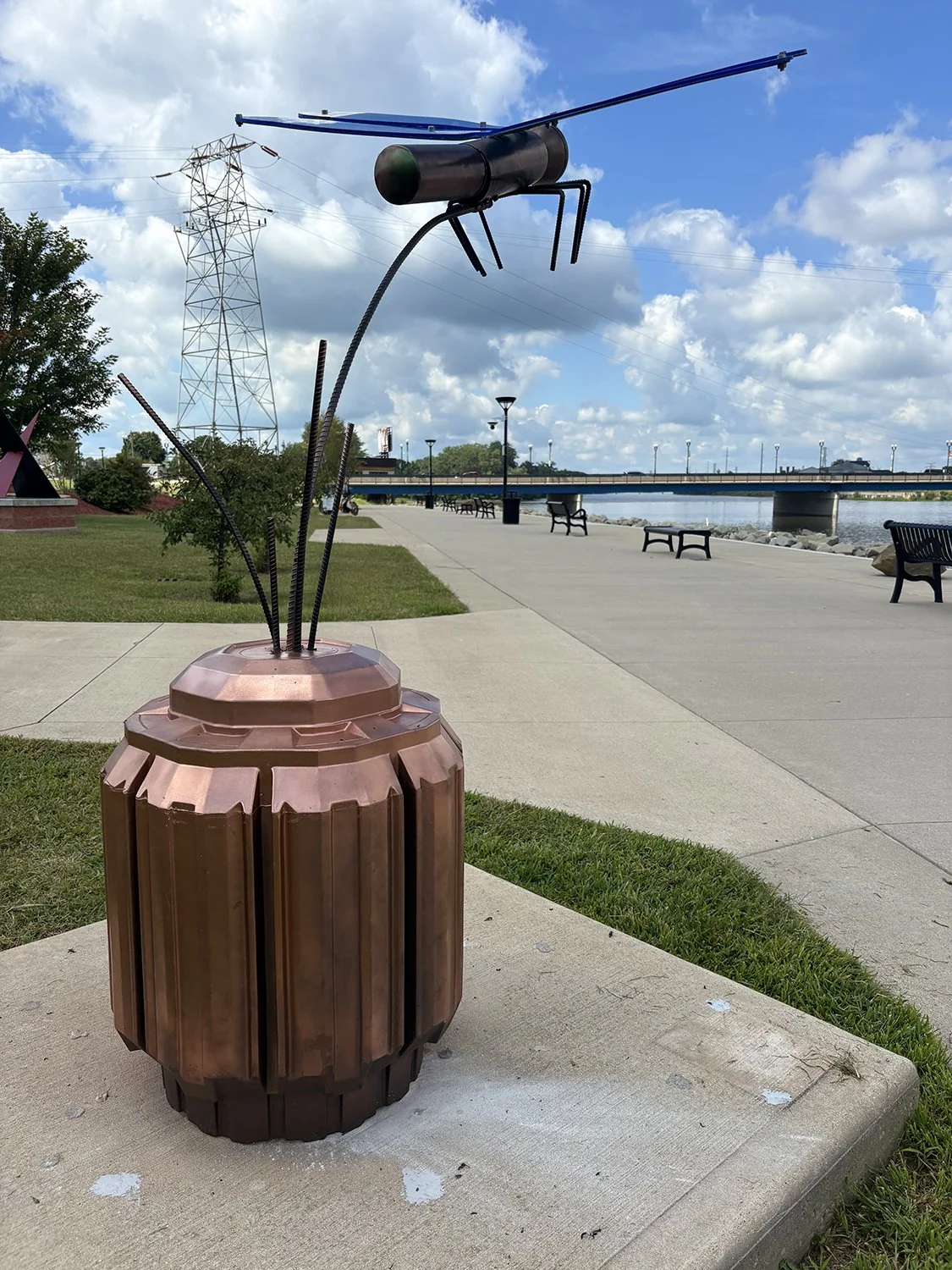
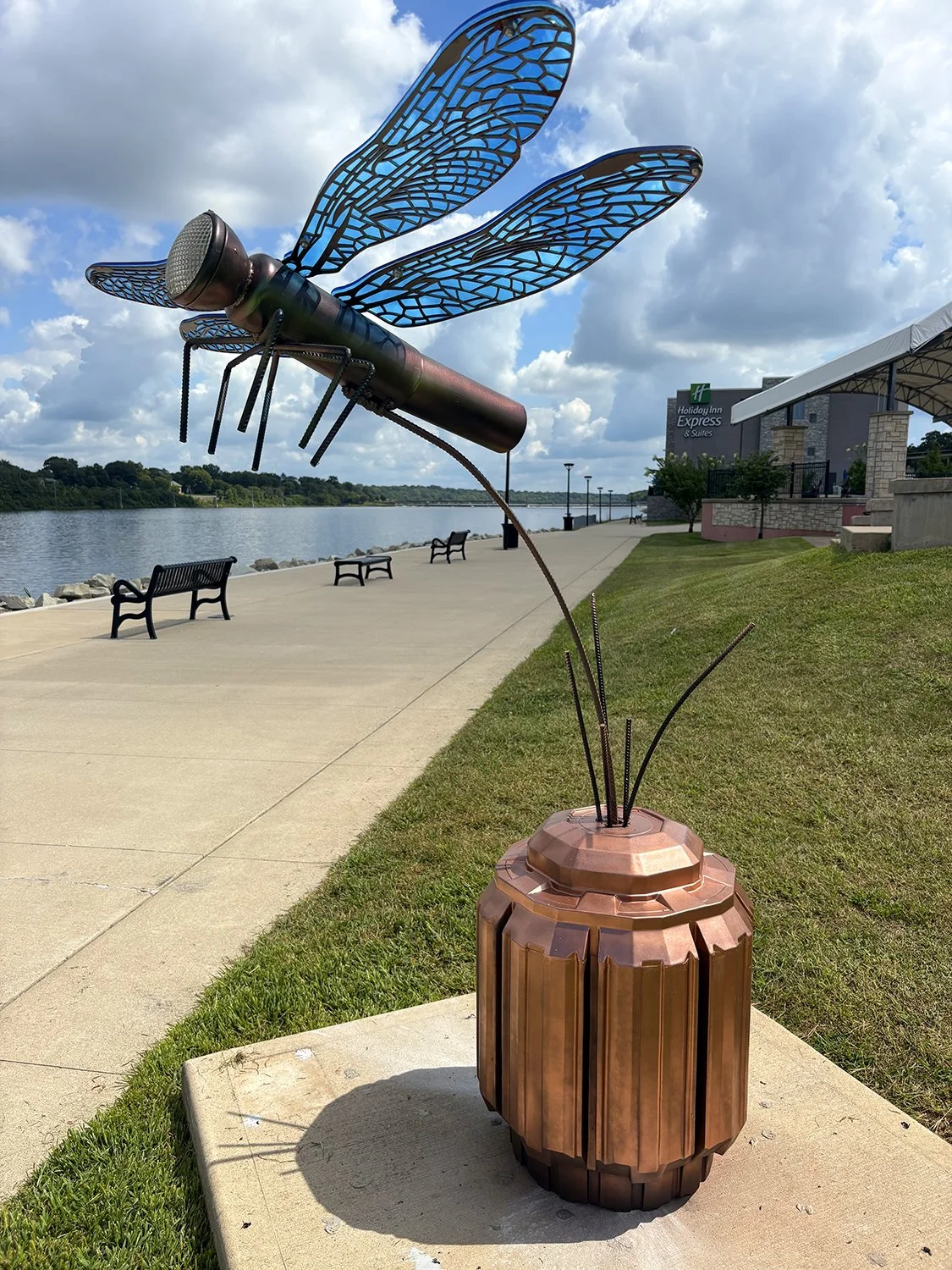
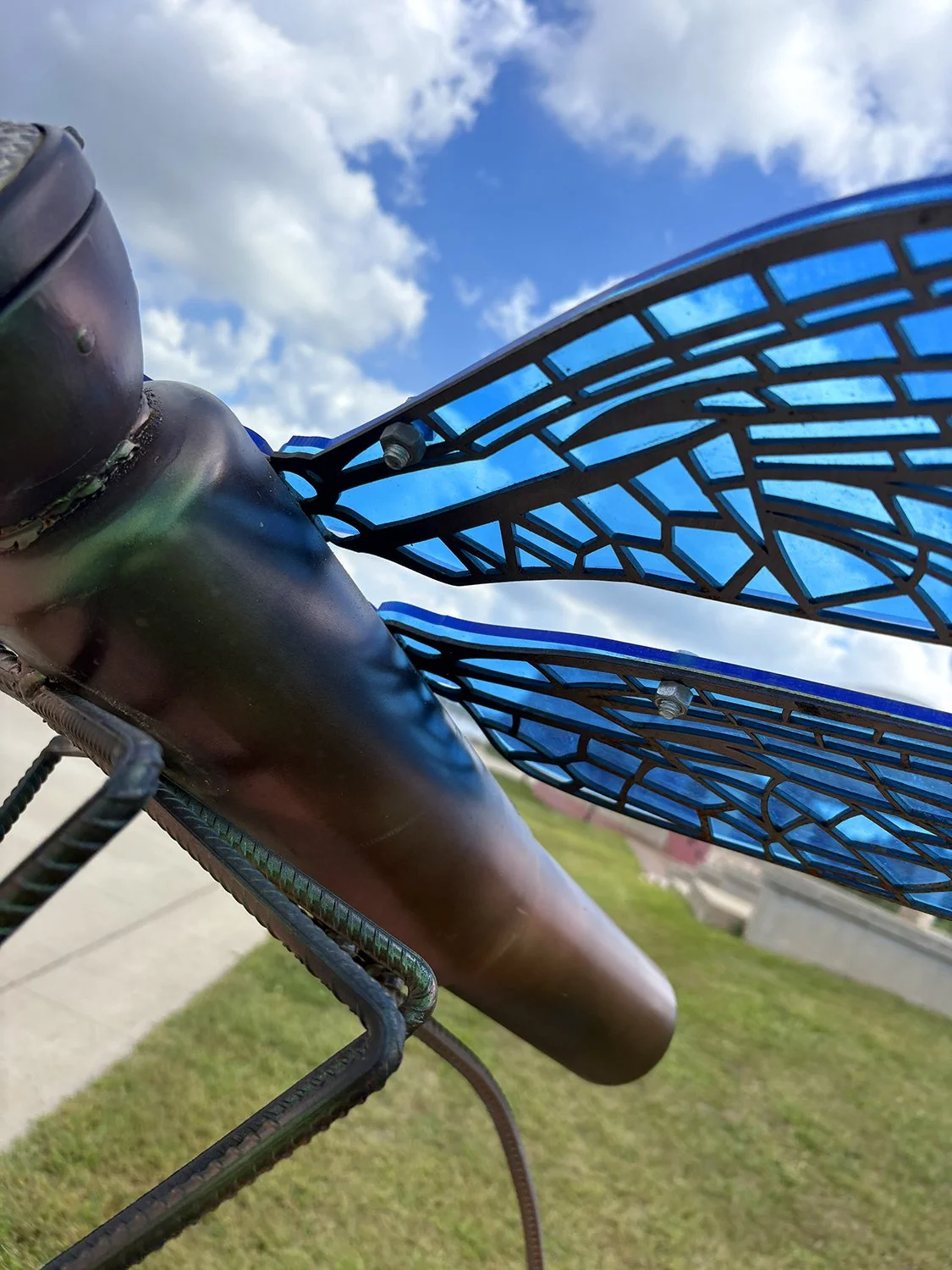
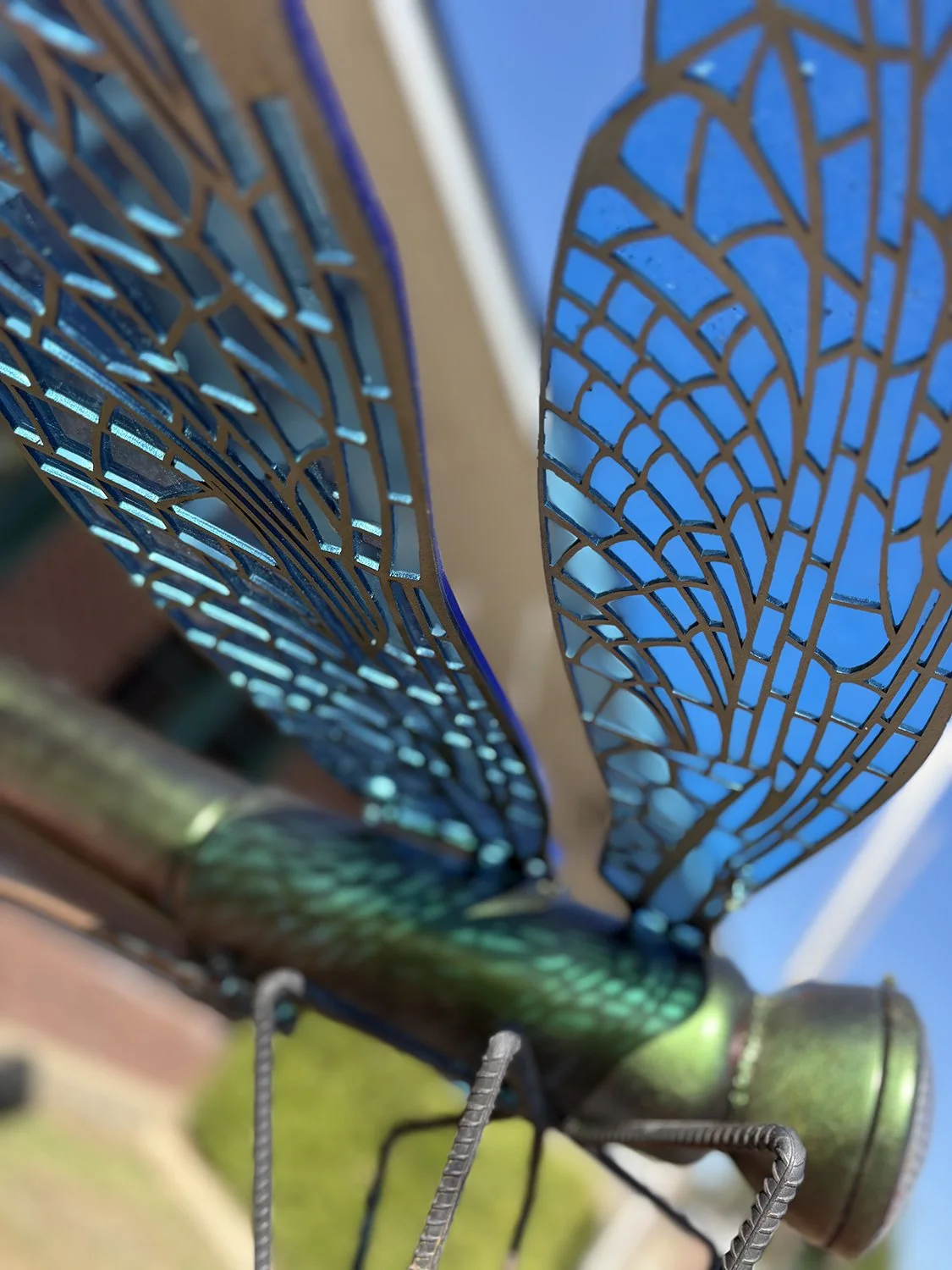
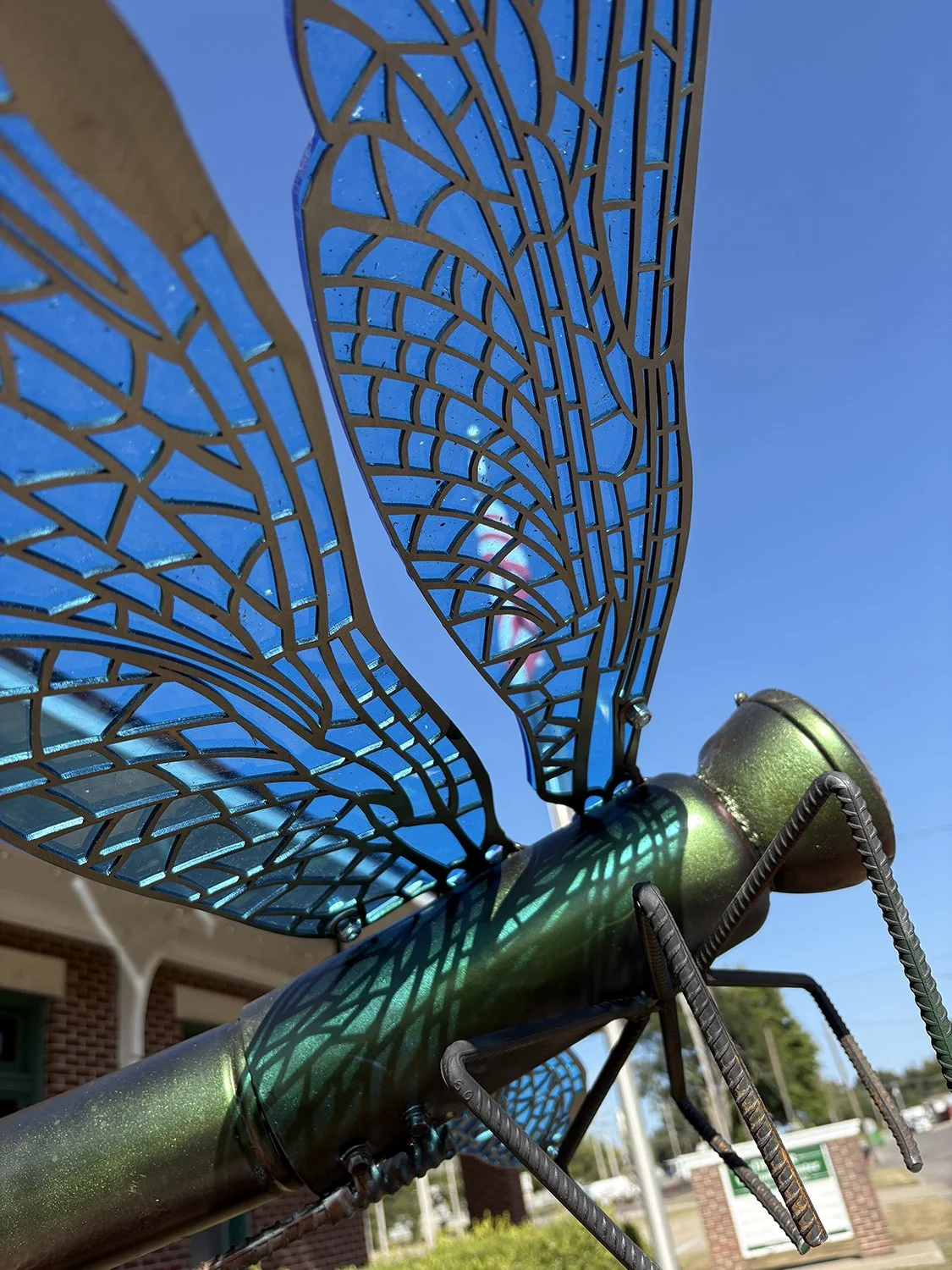
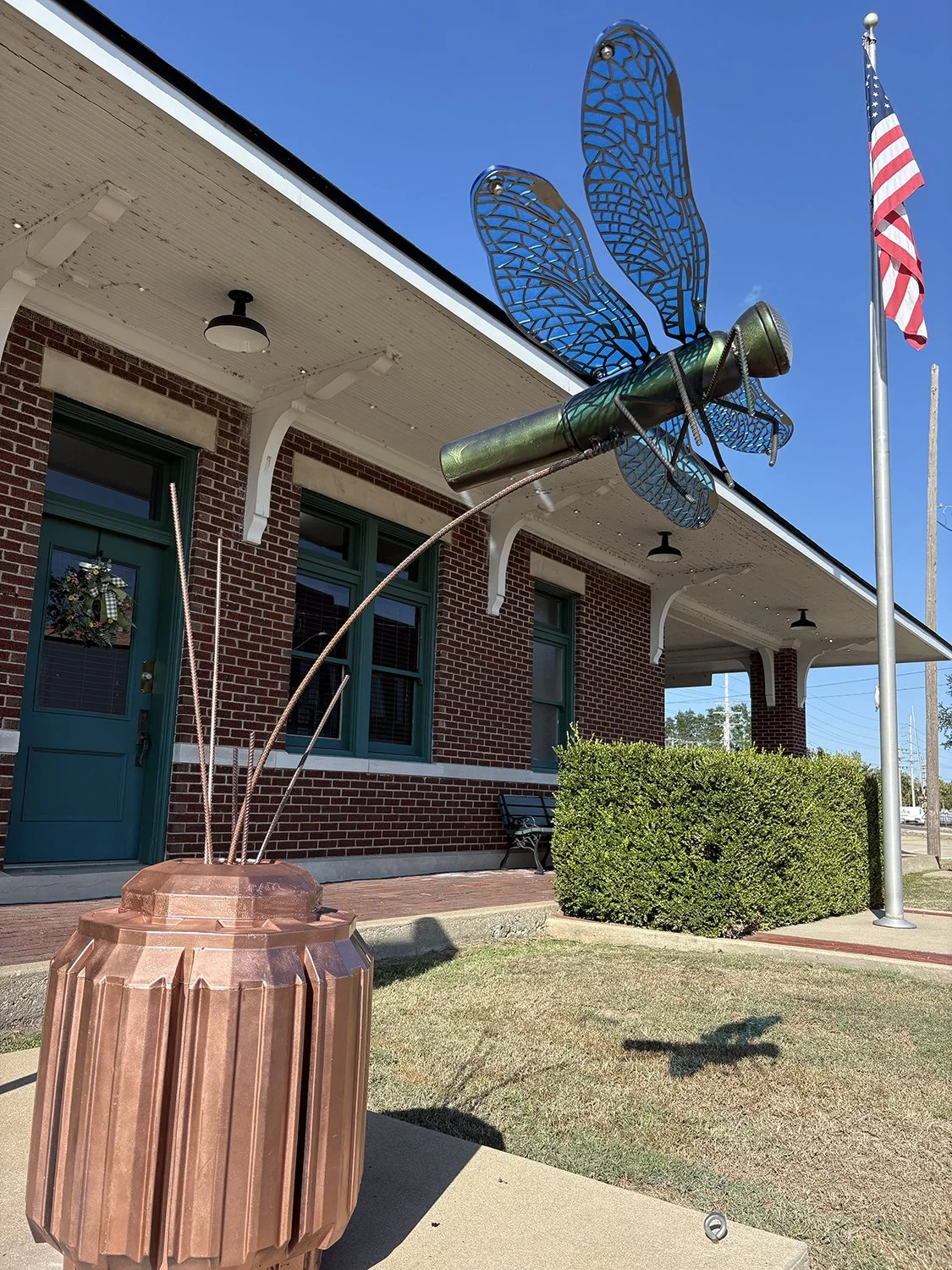
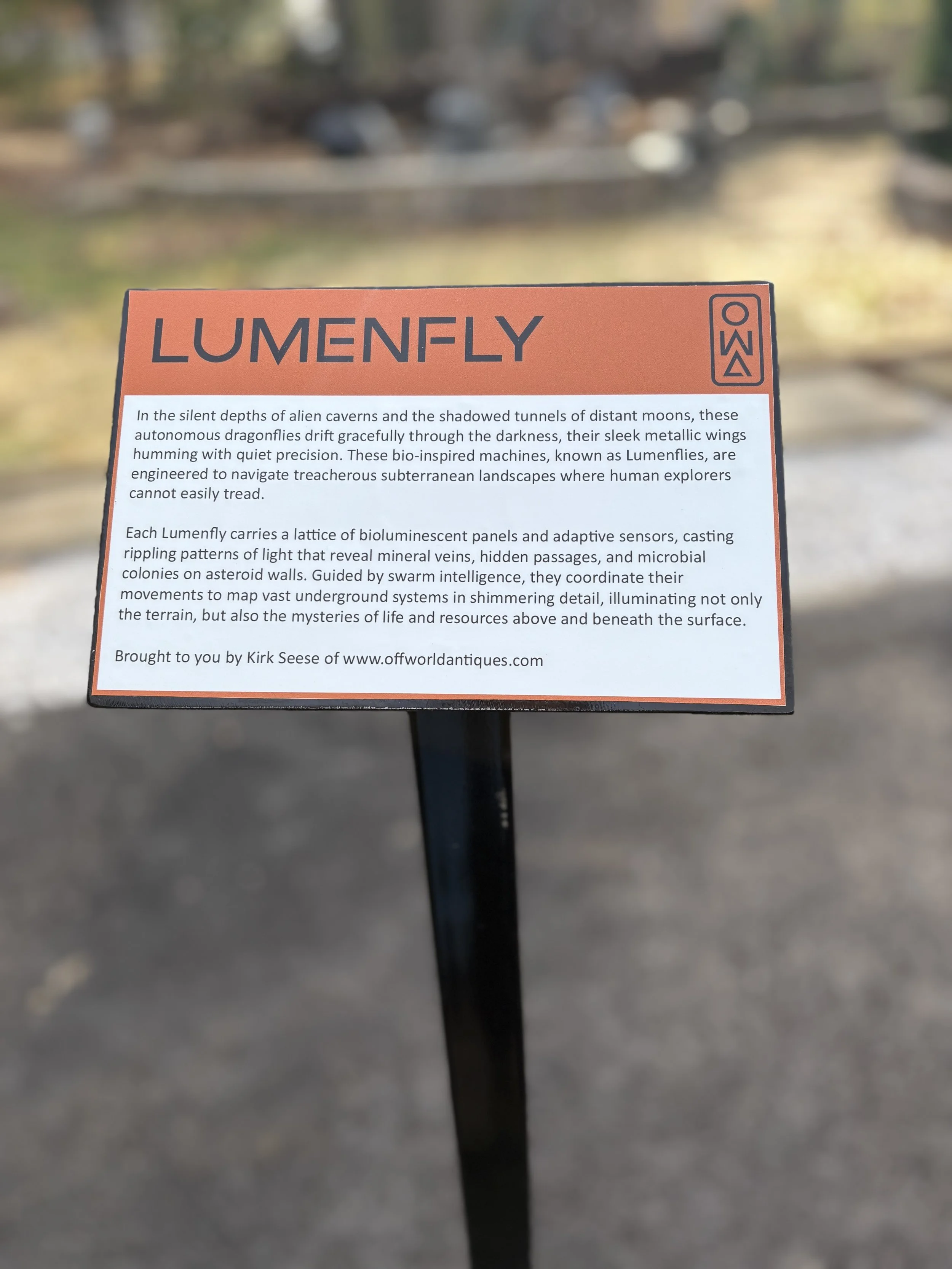
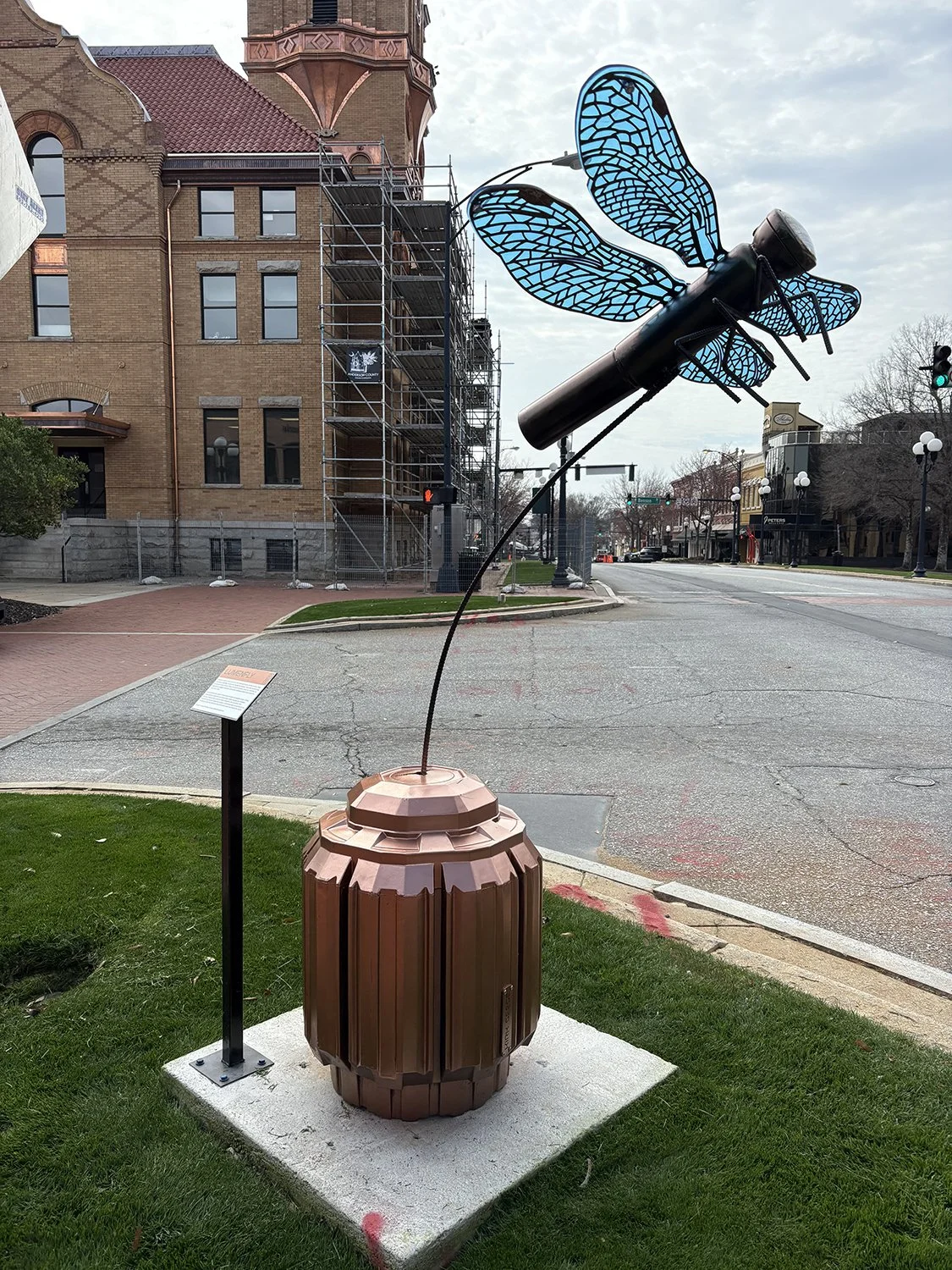
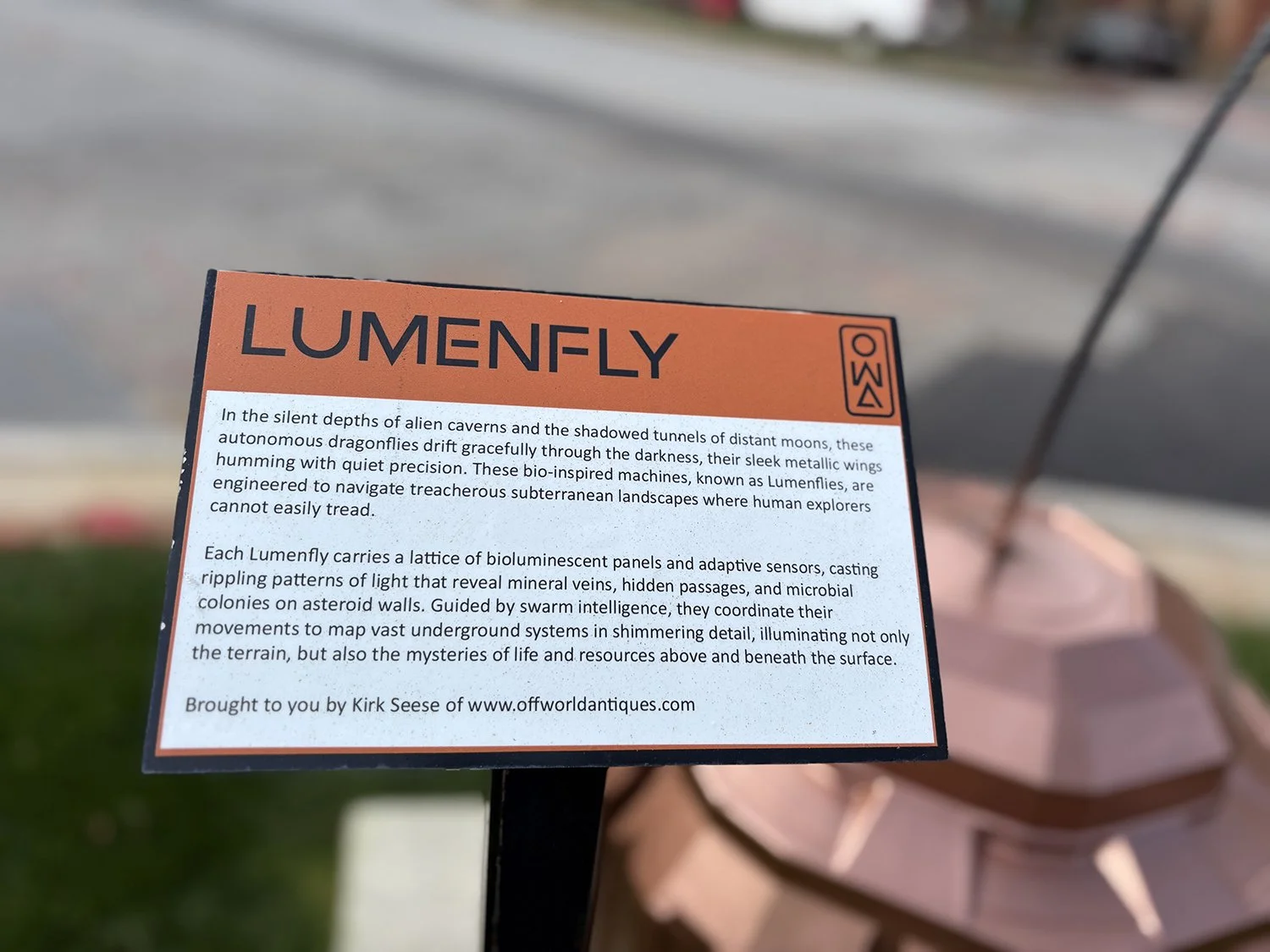
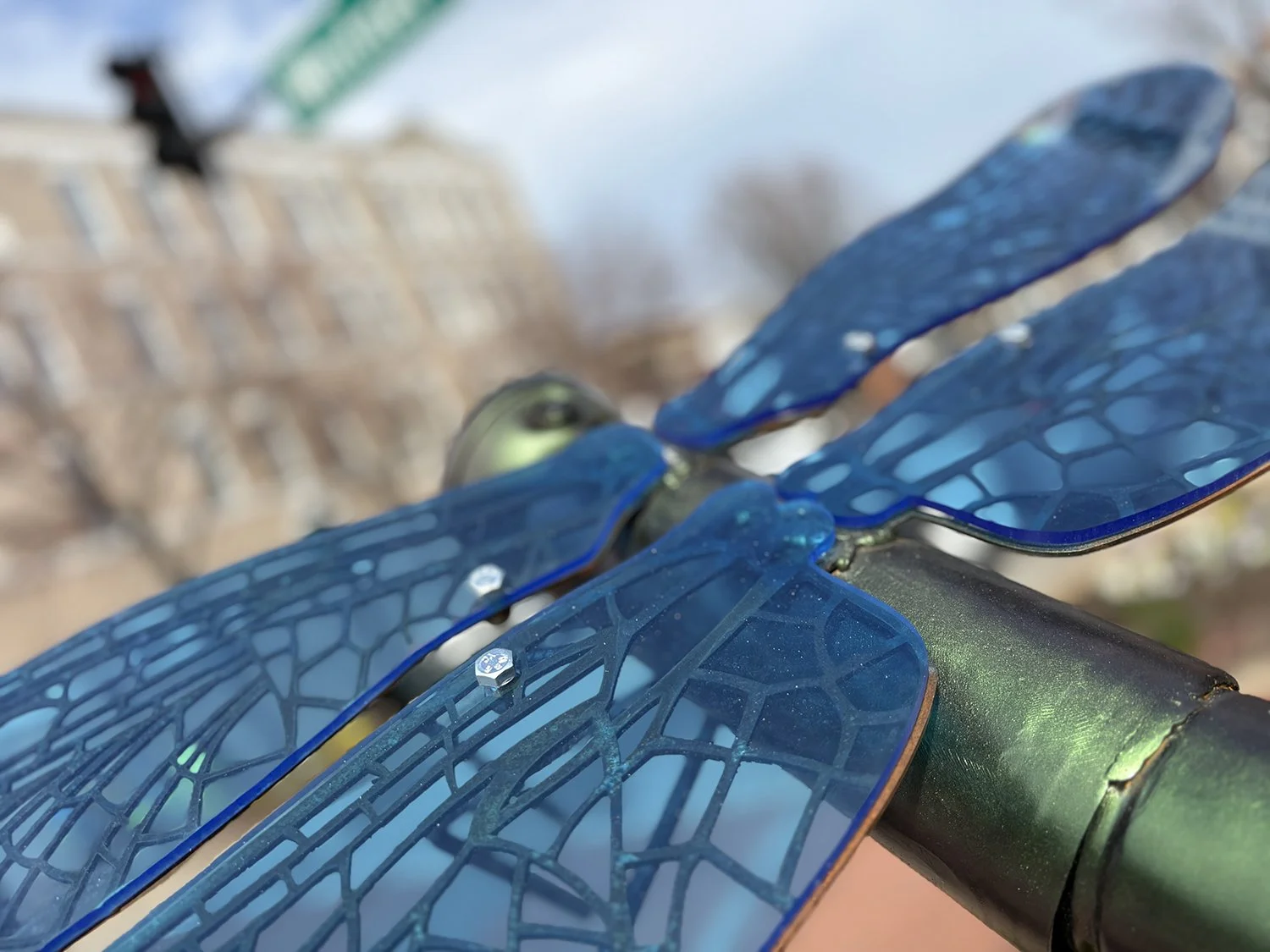
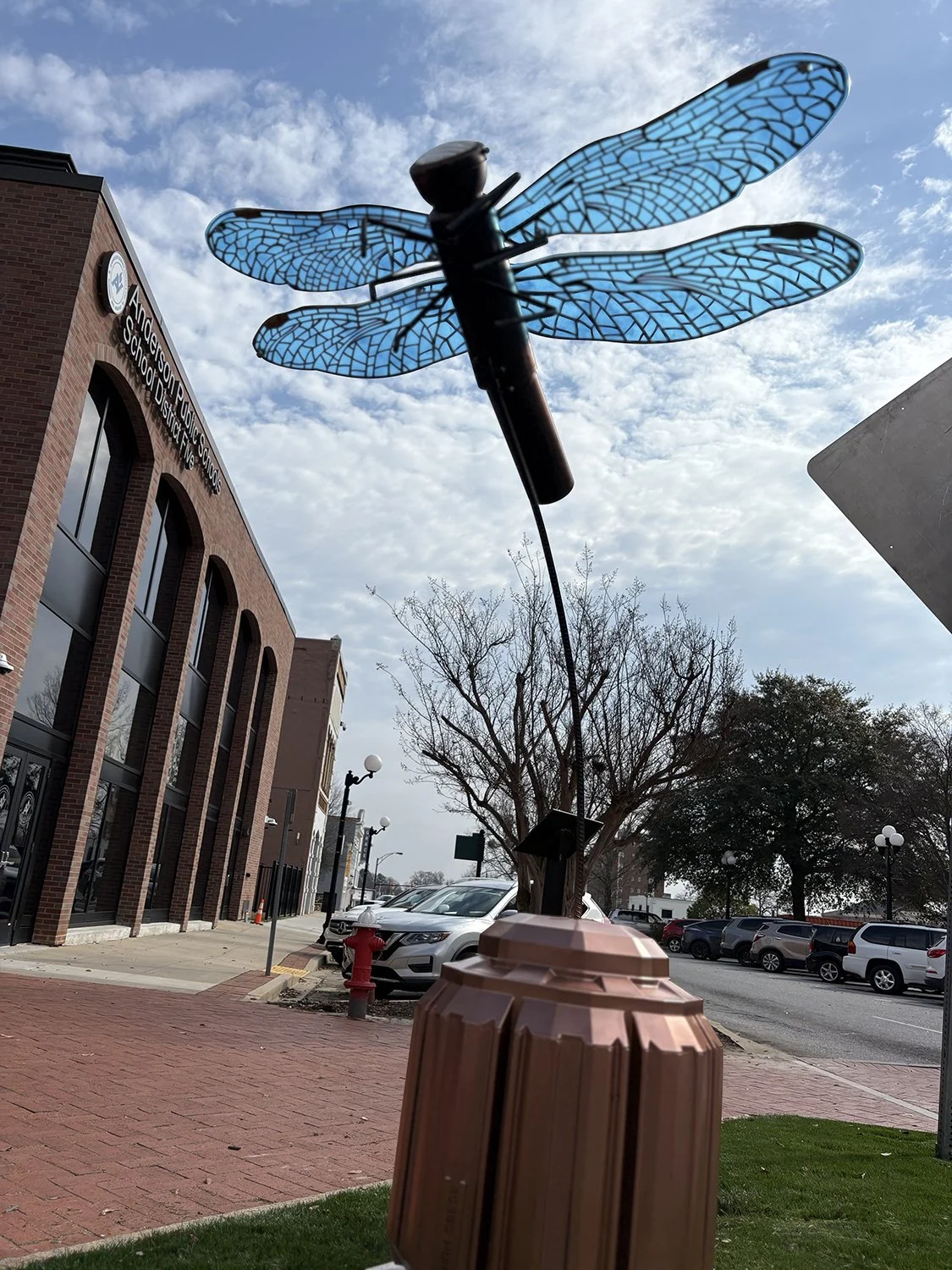
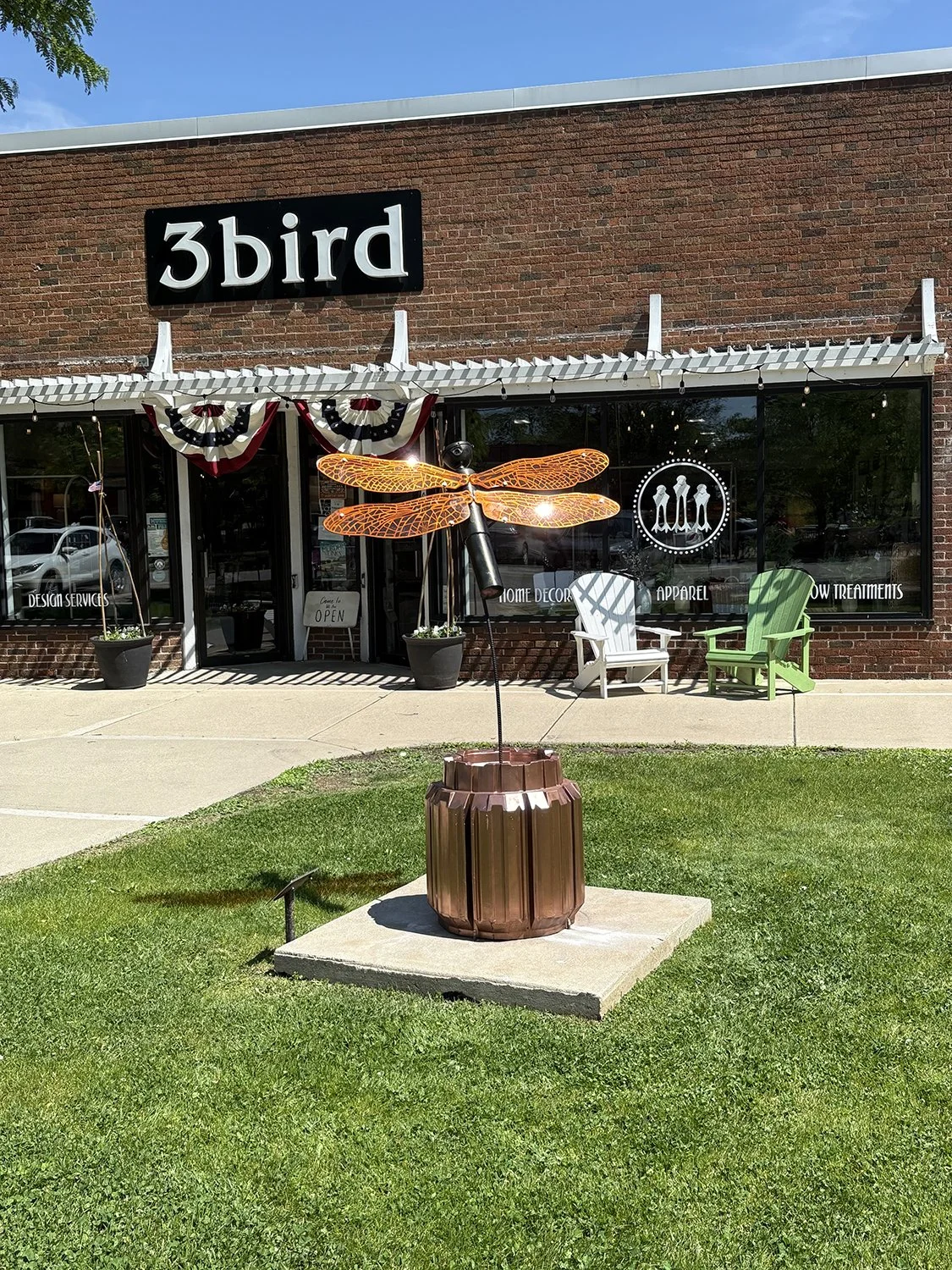
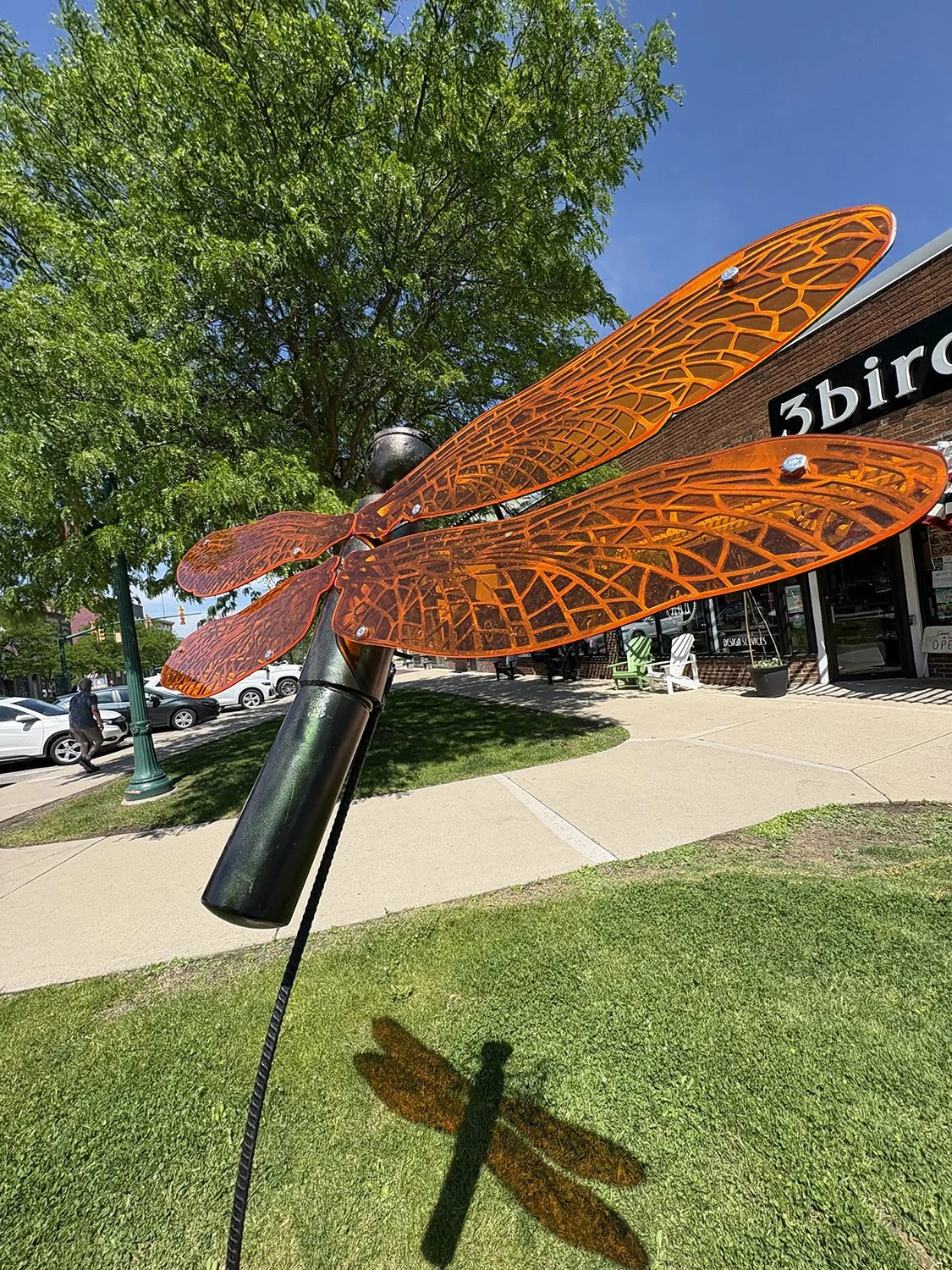
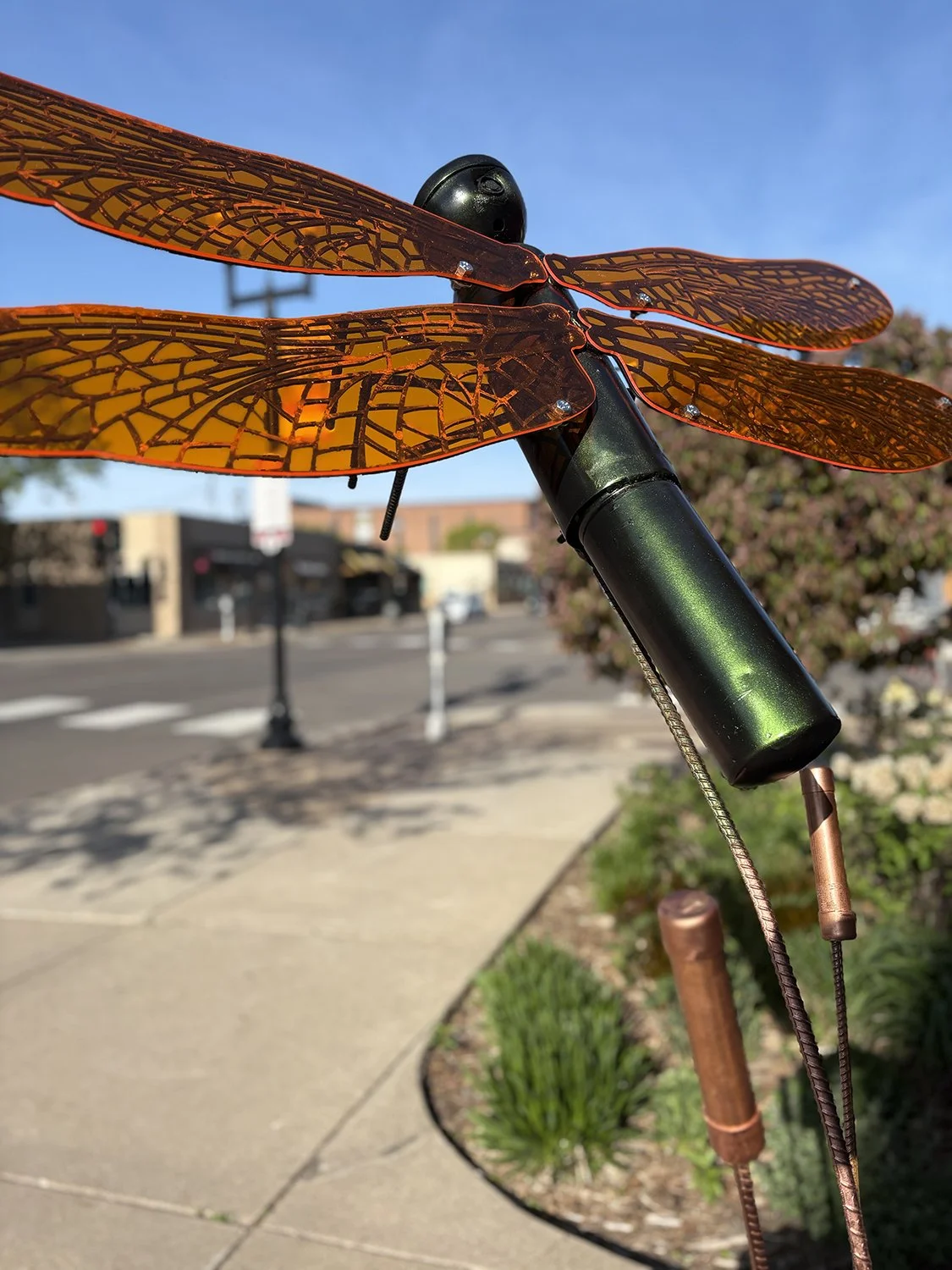
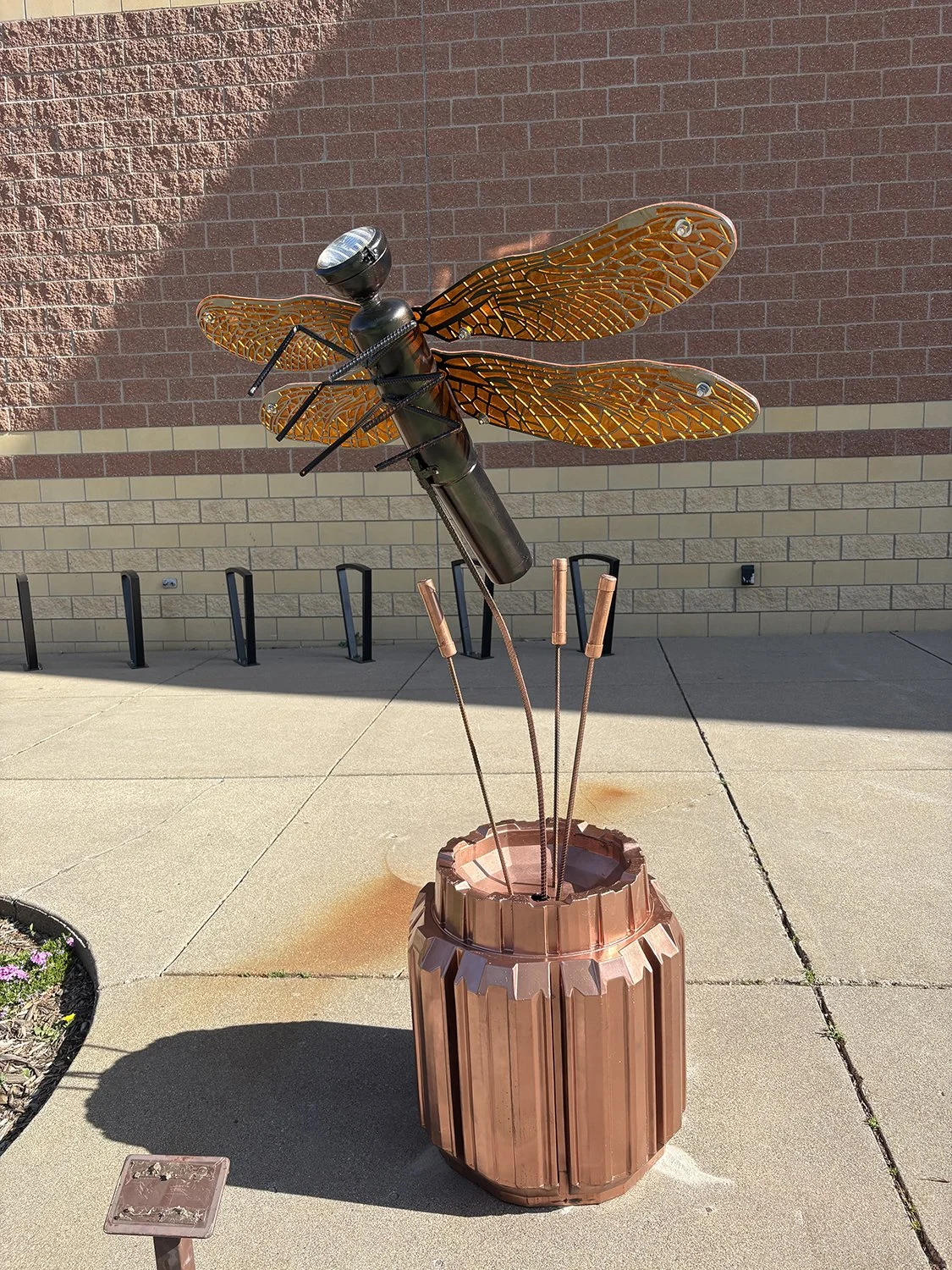
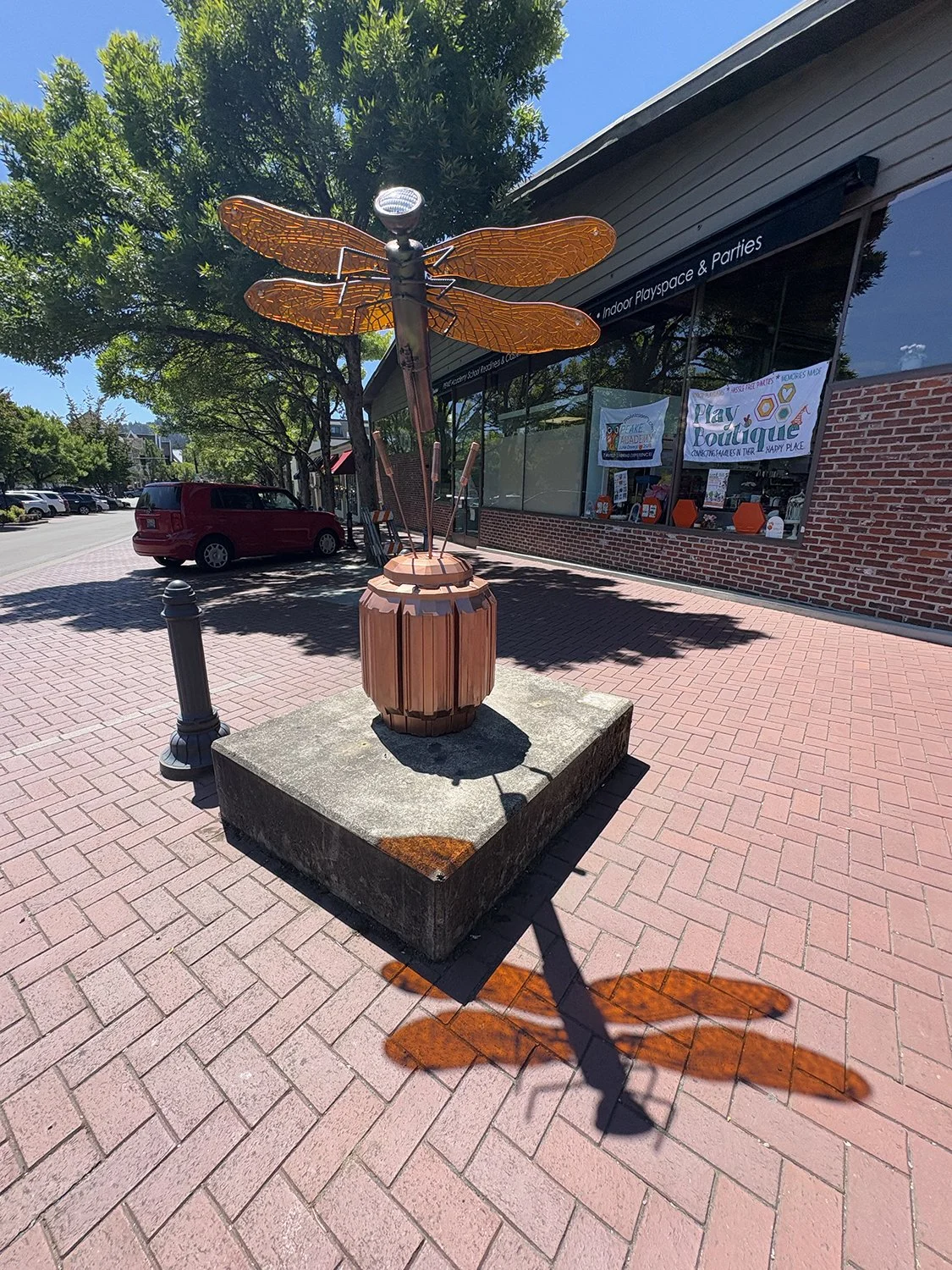
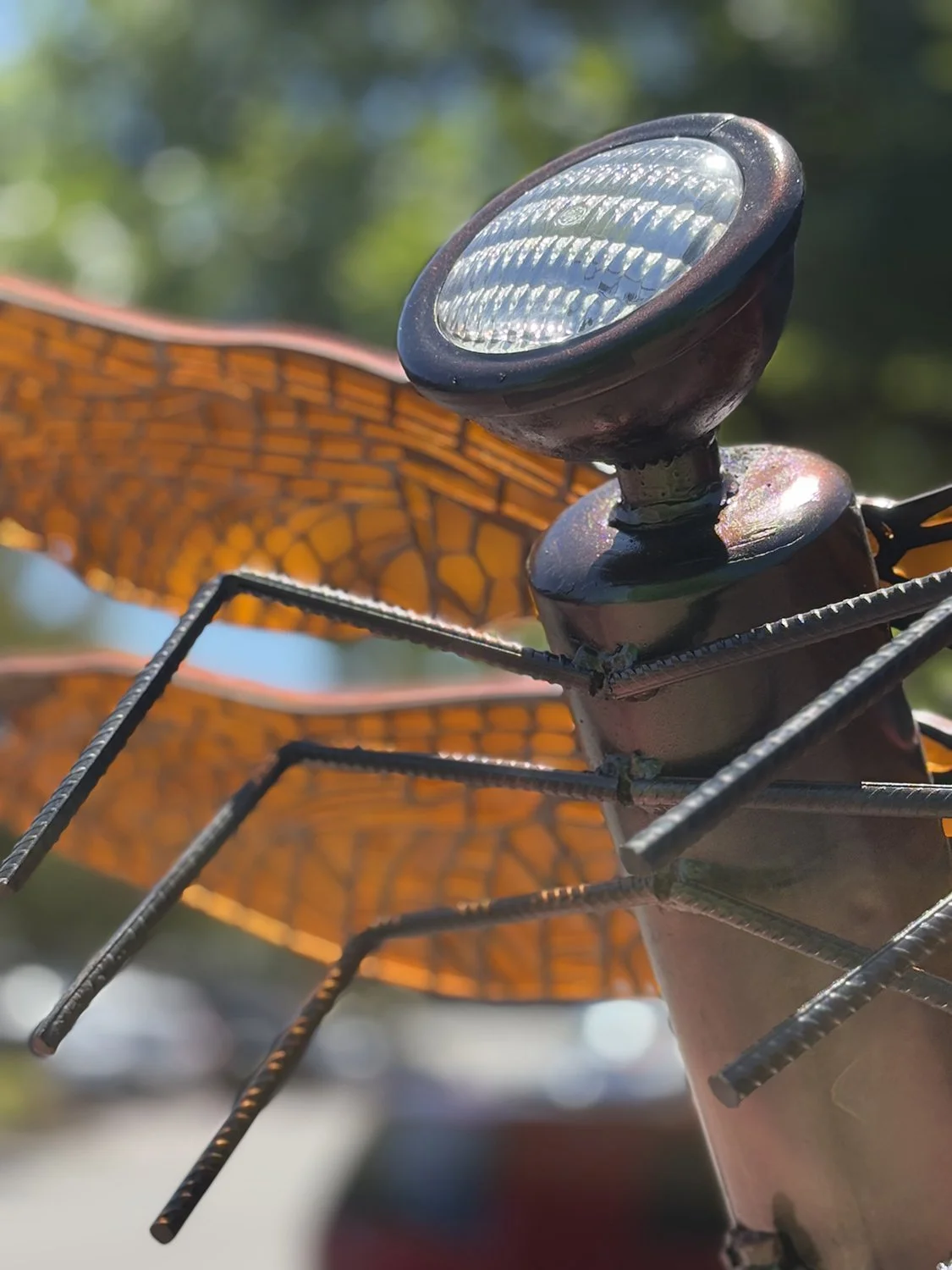
In the silent depths of alien caverns and the shadowed tunnels of distant moons, these autonomous dragonflies drift gracefully through the darkness, their sleek metallic wings humming with quiet precision. These bio-inspired machines, known as Lumenflies, are engineered to navigate treacherous subterranean landscapes where human explorers cannot easily tread.
Each Lumenfly carries a lattice of bioluminescent panels and adaptive sensors, casting rippling patterns of light that reveal mineral veins, hidden passages, and microbial colonies on asteroid walls. Guided by swarm intelligence, they coordinate their movements to map vast underground systems in shimmering detail, illuminating not only the terrain, but also the mysteries of life and resources above and beneath the surface.
-
![]()
Lumenfly @ RW&B Park, Rock Falls, IL 2025-2026
-
![]()
Lumenfly @ RW&B Park, Rock Falls, IL 2025-2026
-
![]()
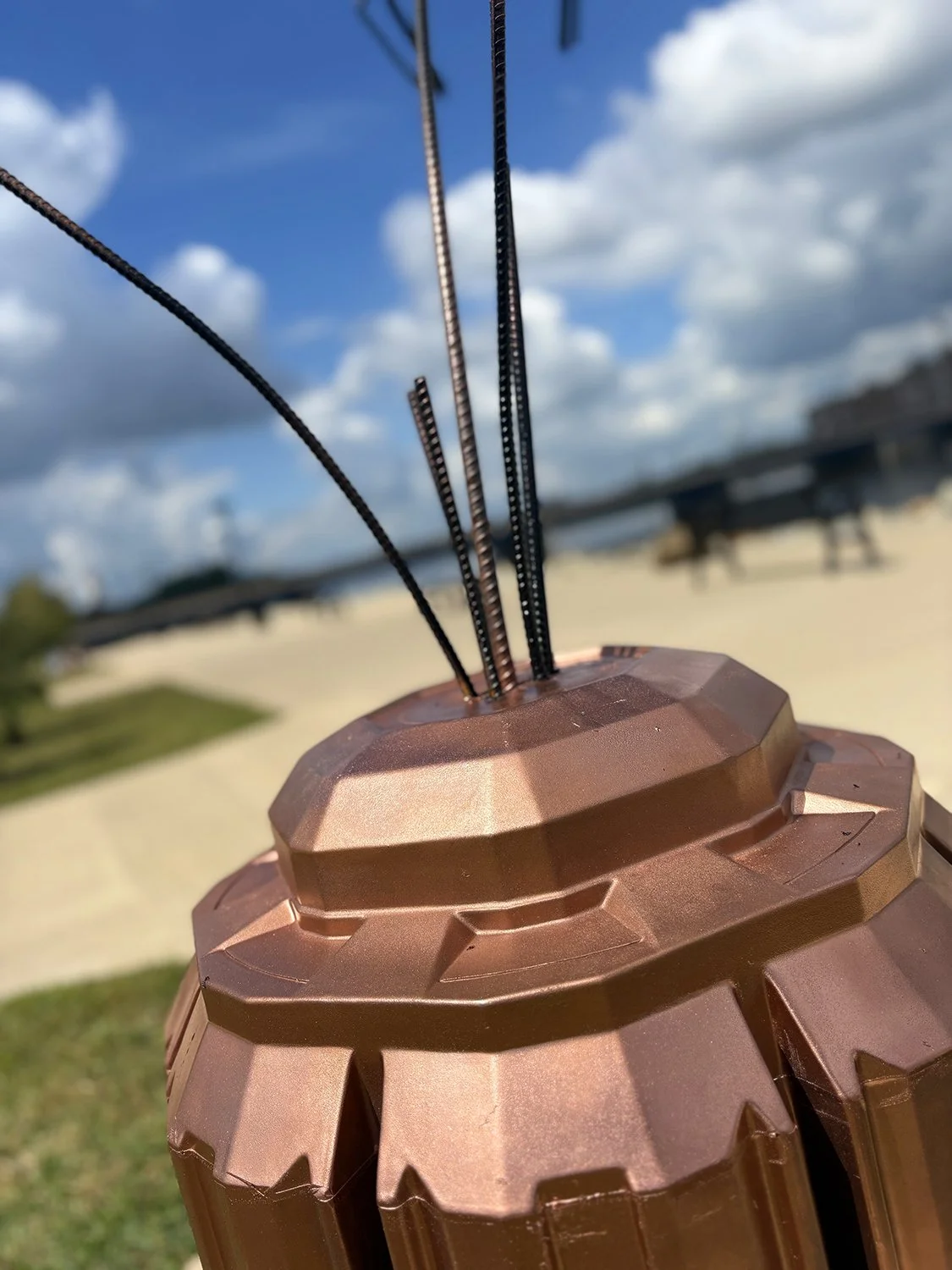
Lumenfly @ RW&B Park, Rock Falls, IL 2025-2026
-
![]()
Lumenfly @ RW&B Park, Rock Falls, IL 2025-2026
-
![]()
Lumenfly @ RW&B Park, Rock Falls, IL 2025-2026
-
![]()
Lumenfly @ RW&B Park, Rock Falls, IL 2025-2026
-
![]()
Lumenfly @ The Dexter Welcome Center, Dexter, MO 2025-2026
-
![]()
Lumenfly @ The Dexter Welcome Center, Dexter, MO 2025-2026
-
![]()
Lumenfly @ The Dexter Welcome Center, Dexter, MO 2025-2026
-
![]()
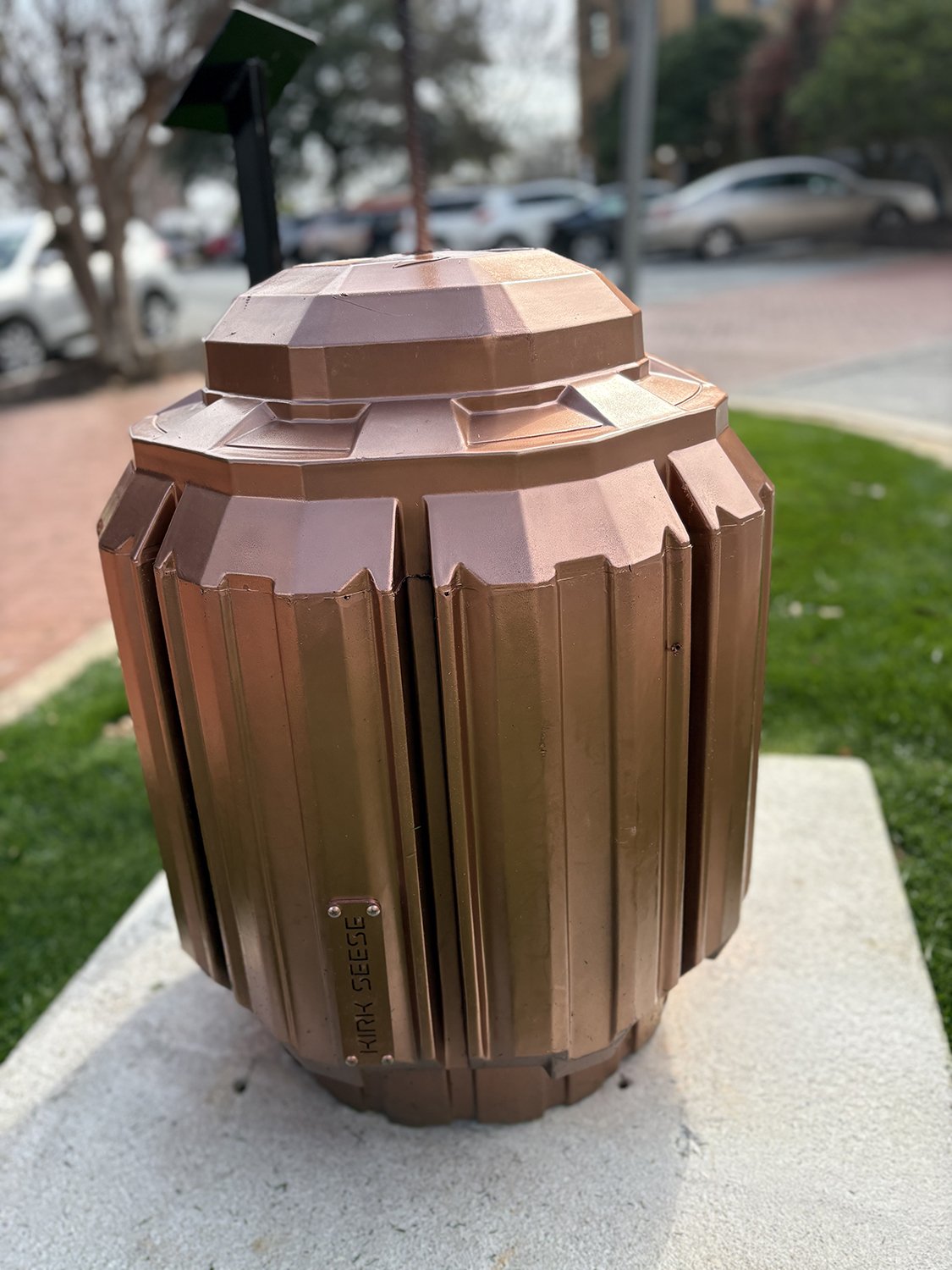
Plaque
-
![Anderson, SC Lumenfly 2026-2027]()
Anderson, SC Lumenfly 2026-2027
-
![Anderson, SC Lumenfly 2026-2027]()
Anderson, SC Lumenfly 2026-2027
-
![Anderson, SC Lumenfly 2026-2027]()
Anderson, SC Lumenfly 2026-2027
-
![Anderson, SC Lumenfly 2026-2027]()
Anderson, SC Lumenfly 2026-2027
-
![Anderson, SC Lumenfly 2026-2027]()
Anderson, SC Lumenfly 2026-2027
-
![]()
Lumenfly - Dexter, MI 2026-2027
-
![]()
Lumenfly - Dexter, MI 2026-2027
-
![]()
Lumenfly - Hopkins, MN 2026-2027
-
![]()
Lumenfly - Hopkins, MN 2026-2027
-
![]()
Lumenfly - Lake Oswego, OR 2026-2027
-
![]()
Lumenfly - Lake Oswego, OR 2026-2027
The Great Expansion:
The Swarm Architects: Robotic Insects for the Terraforming of Worlds
Before humanity sets foot on a distant moon, asteroid, or planet, an entirely different kind of pioneer will have already arrived. Not astronauts, not rovers, and not towering construction machines, but vast colonies of autonomous robotic insects, engineered to transform hostile extraterrestrial landscapes into the foundations of future human civilization.
These machines are the first architects of the solar system: synthetic organisms designed to crawl, burrow, bite, grind, excavate, and build. Delivered by cargo landers years ahead of human expeditions, they awaken in barren landscapes of fractured rock, ancient dust, frozen volatiles, and metallic debris. Guided by artificial intelligence and coordinated through swarm behavior, they begin the patient work of preparing a world for human arrival.
Their design draws inspiration from the extraordinary efficiency of terrestrial insect life. Instead of relying on a handful of enormous, complicated machines, the system deploys thousands—or millions—of specialized robotic creatures, each small enough to navigate difficult terrain, robust enough to operate in extreme environments, and inexpensive enough to lose without jeopardizing the entire mission.
Each species has a task. Some burrow into the ground to investigate subsurface conditions. Others excavate foundations, fracture boulders, harvest metals, extract ice, or transport materials between processing stations. Larger mechanical insects follow established pathways, assembling berms, radiation shields, landing pads, underground chambers, and the skeletal structures of future habitats.