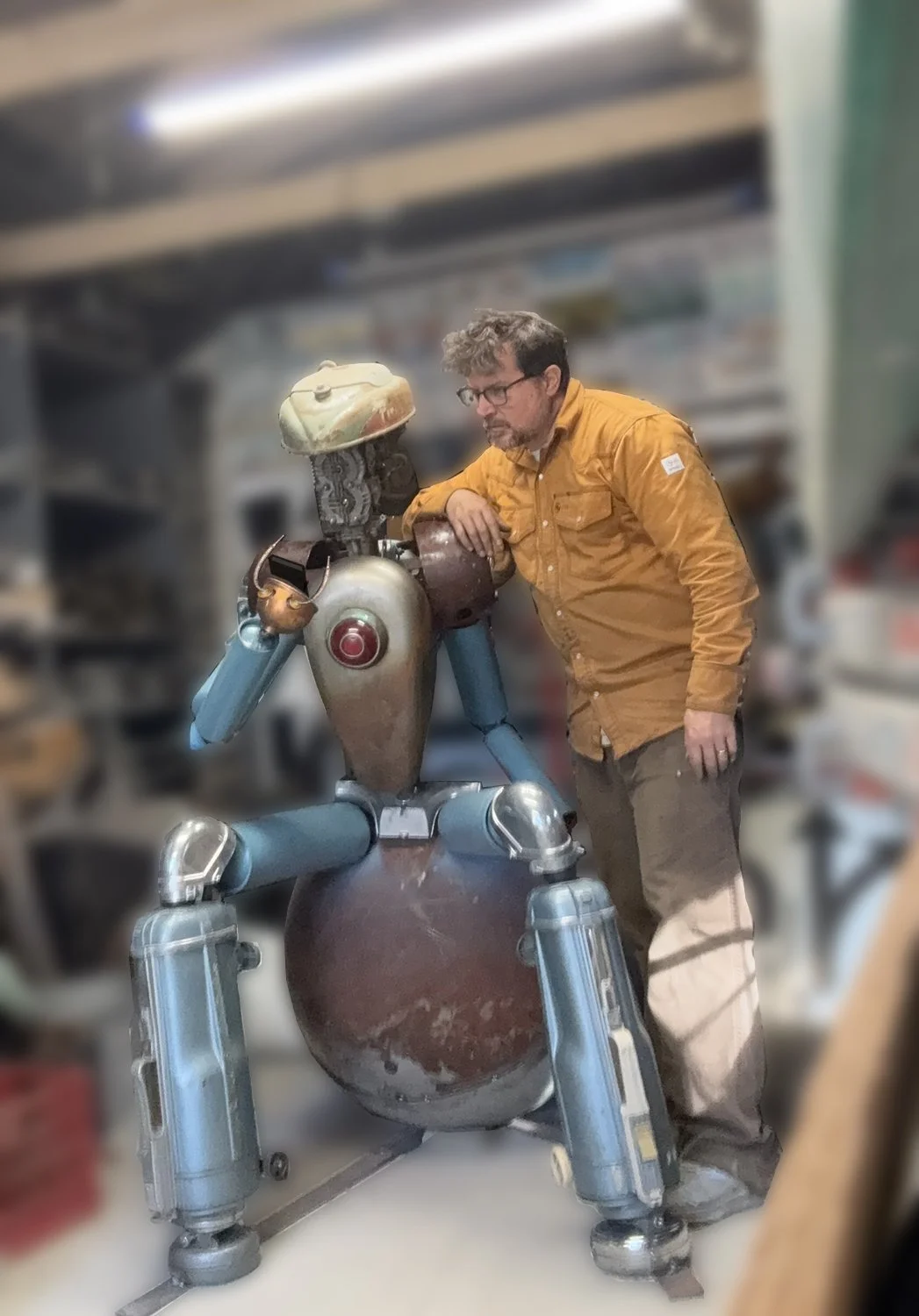
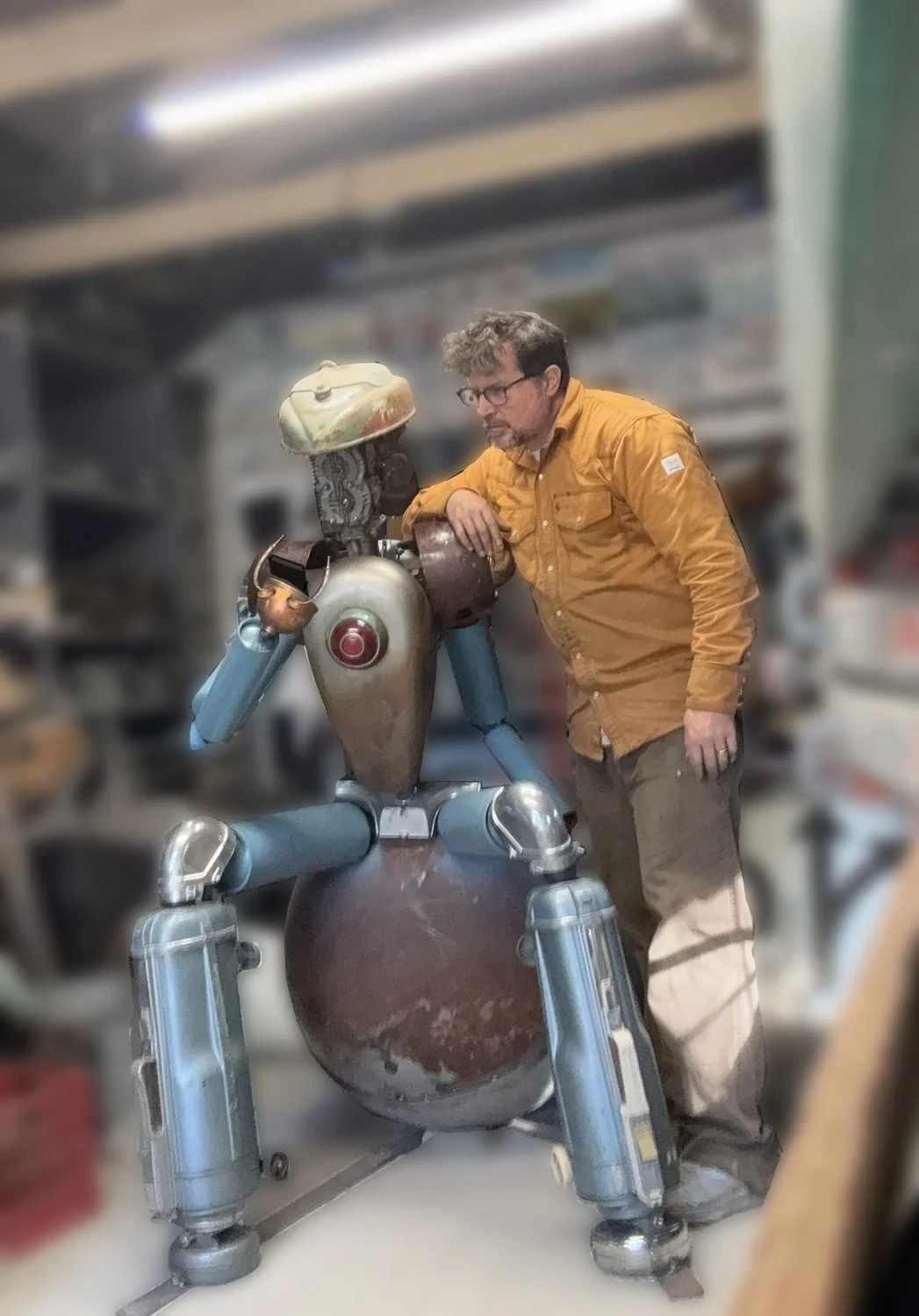
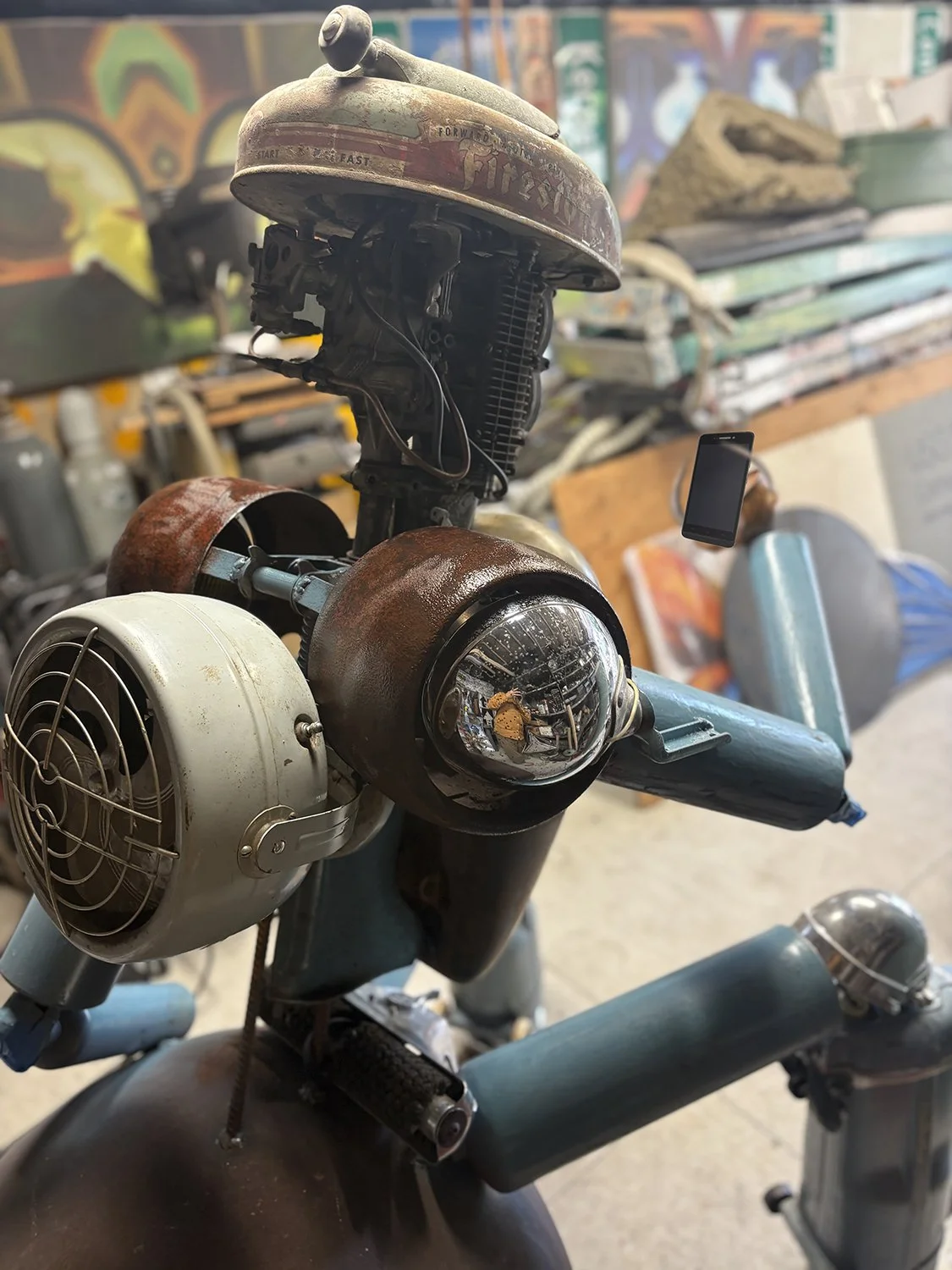
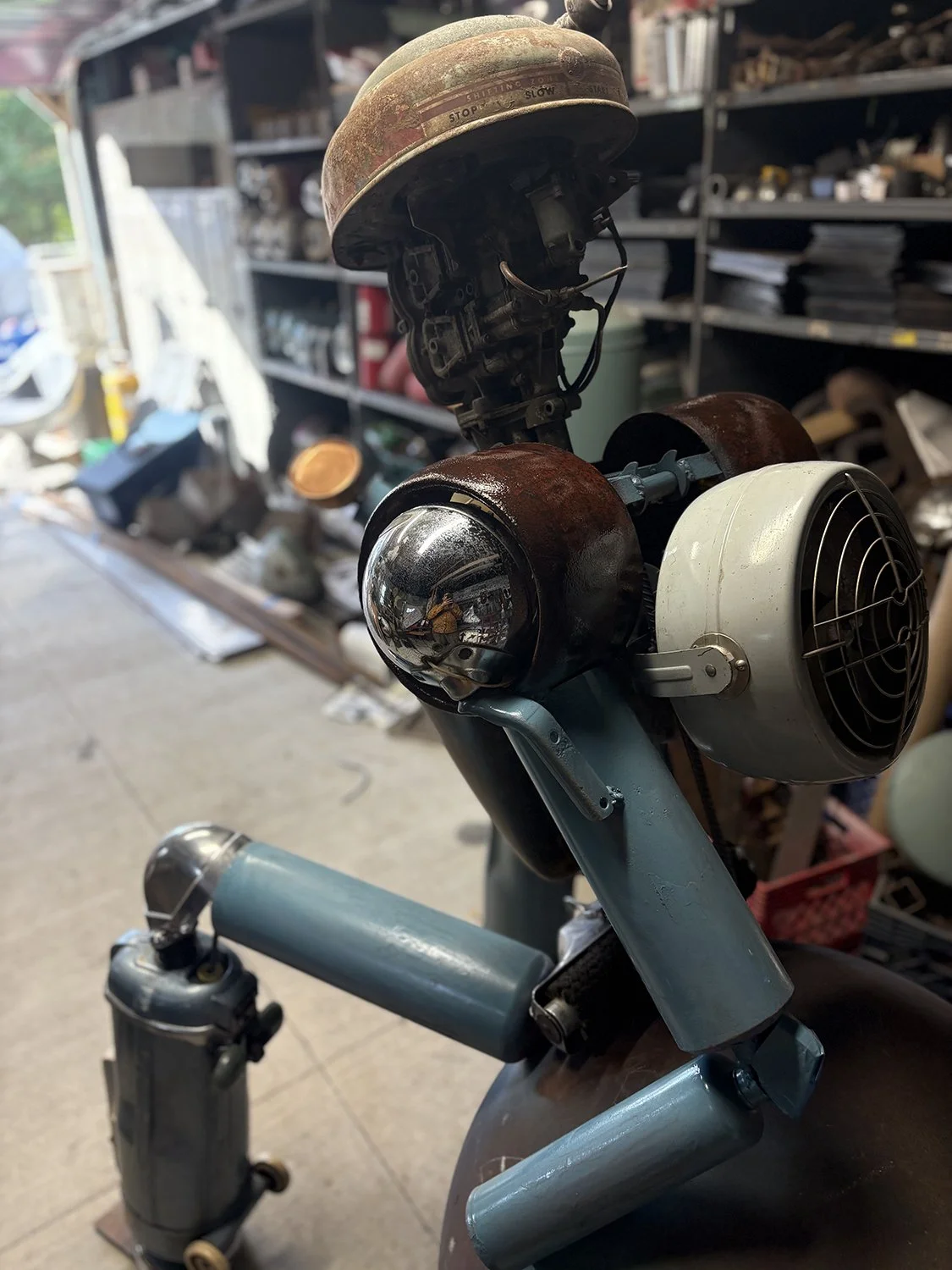
Auxi Droid
2026+
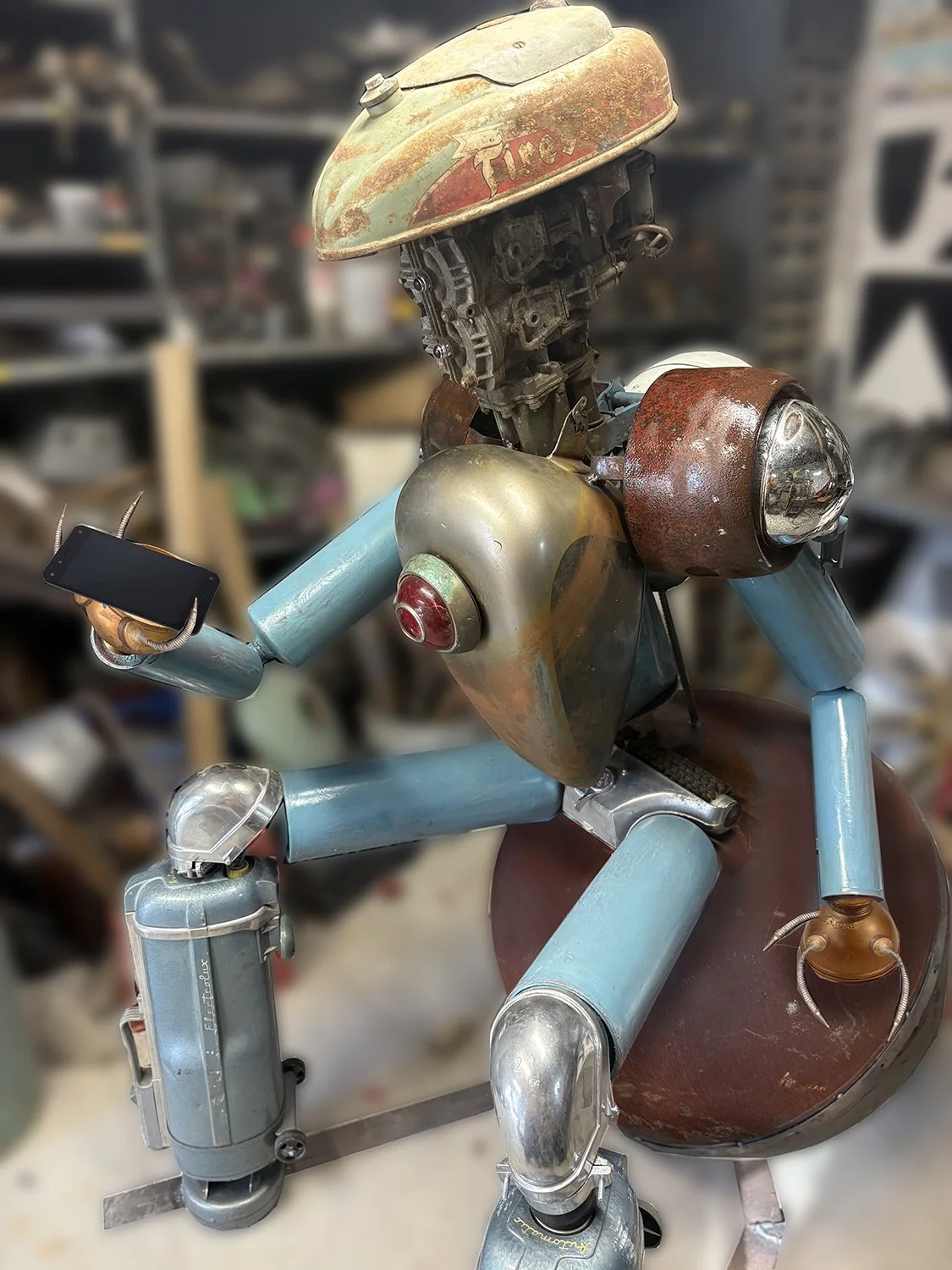
In the not-so-distant future, domestic life has been transformed by the arrival of AUXILIATOR, “AUXI” for short, (Latin for helper), a sleek, retro futuristic humanoid robot designed to seamlessly integrate into everyday human routines. Standing at seven feet tall, AUXI combines cutting-edge artificial intelligence with lifelike dexterity, allowing it to perform a wide range of household tasks. Its adaptive learning algorithms enable it to understand each household’s unique preferences, while its gentle, human-like demeanor ensures that it feels more like a helpful companion than a machine.
This humanoid robot is designed to handle the jobs people would rather avoid. Its advanced mechanical hands and agile movements allow it to vacuum floors, wash dishes, carry heavy loads, repair equipment, and organize household spaces, while its rugged construction makes it equally capable of working alongside humans in factories. From cleaning hazardous areas and handling repetitive industrial tasks to performing tedious, dirty, or physically demanding jobs, Auxi is a versatile mechanical helper designed to take on the work humans find unpleasant, exhausting, or dangerous.
-
![Kirk Seese]()
Auxi Droid in progress
-
![]()
Auxi Droid in progress
-
![]()
Auxi Droid in progress
-
![]()
Auxi Droid in progress
-
![]()
Auxi Droid in progress
-
![]()
The Great Expansion:
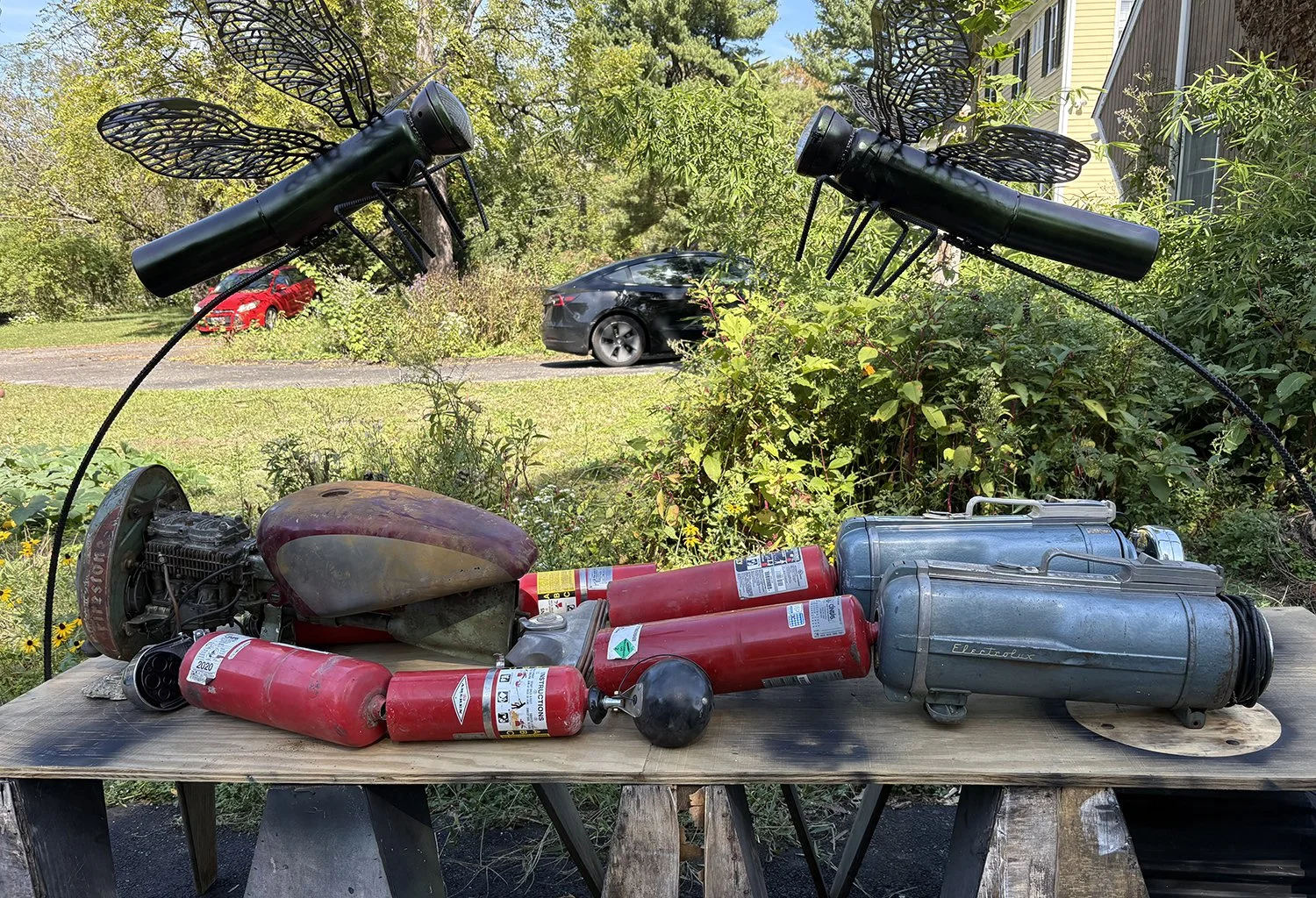
The Swarm Architects: Robotic Insects for the Terraforming of Worlds
Before humanity sets foot on a distant moon, asteroid, or planet, an entirely different kind of pioneer will have already arrived. Not astronauts, not rovers, and not towering construction machines, but vast colonies of autonomous robotic insects, engineered to transform hostile extraterrestrial landscapes into the foundations of future human civilization.
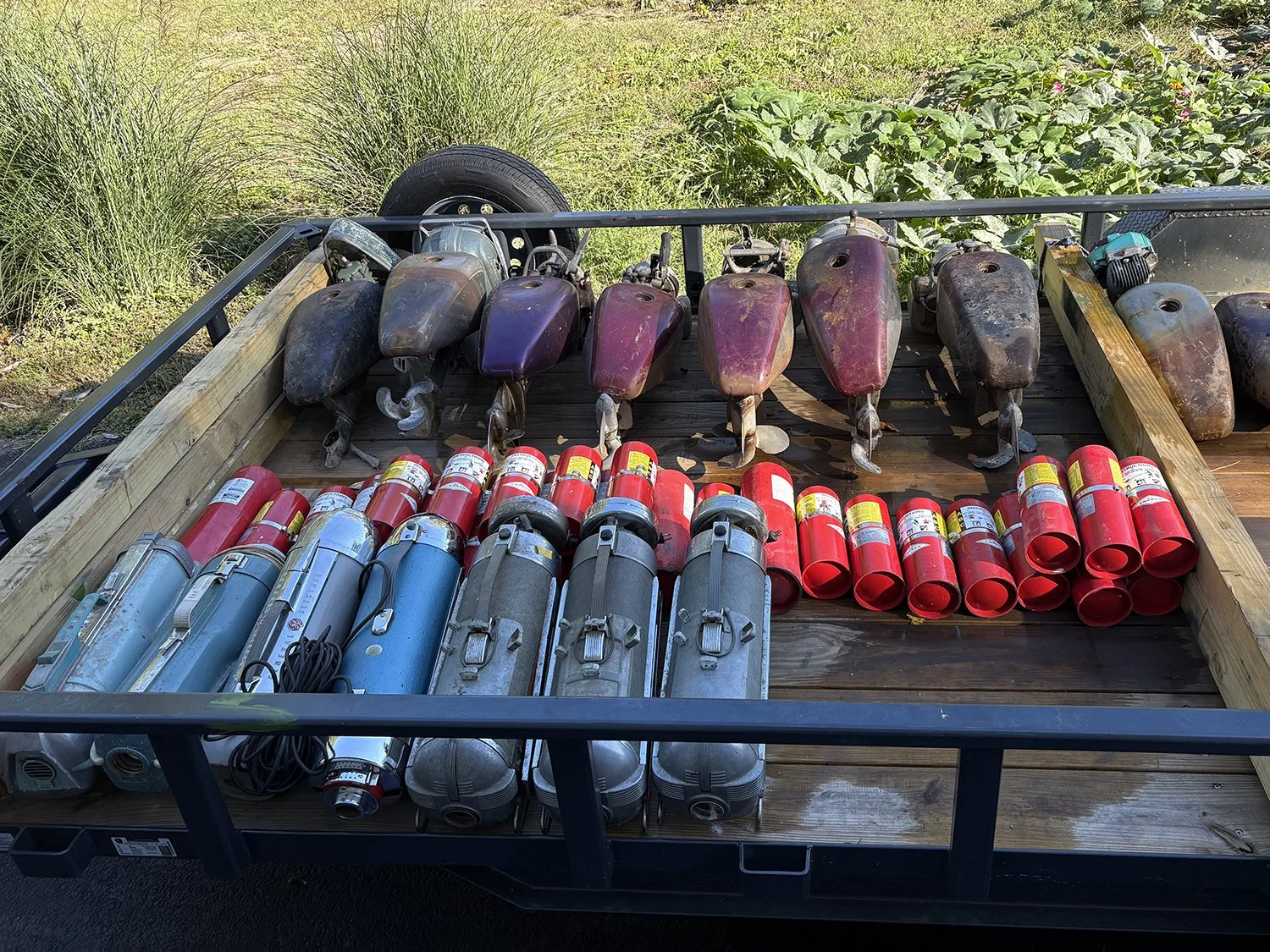
These machines are the first architects of the solar system: synthetic organisms designed to crawl, burrow, bite, grind, excavate, and build. Delivered by cargo landers years ahead of human expeditions, they awaken in barren landscapes of fractured rock, ancient dust, frozen volatiles, and metallic debris. Guided by artificial intelligence and coordinated through swarm behavior, they begin the patient work of preparing a world for human arrival.
Their design draws inspiration from the extraordinary efficiency of terrestrial insect life. Instead of relying on a handful of enormous, complicated machines, the system deploys thousands—or millions—of specialized robotic creatures, each small enough to navigate difficult terrain, robust enough to operate in extreme environments, and inexpensive enough to lose without jeopardizing the entire mission.
Each species has a task. Some burrow into the ground to investigate subsurface conditions. Others excavate foundations, fracture boulders, harvest metals, extract ice, or transport materials between processing stations. Larger mechanical insects follow established pathways, assembling berms, radiation shields, landing pads, underground chambers, and the skeletal structures of future habitats.