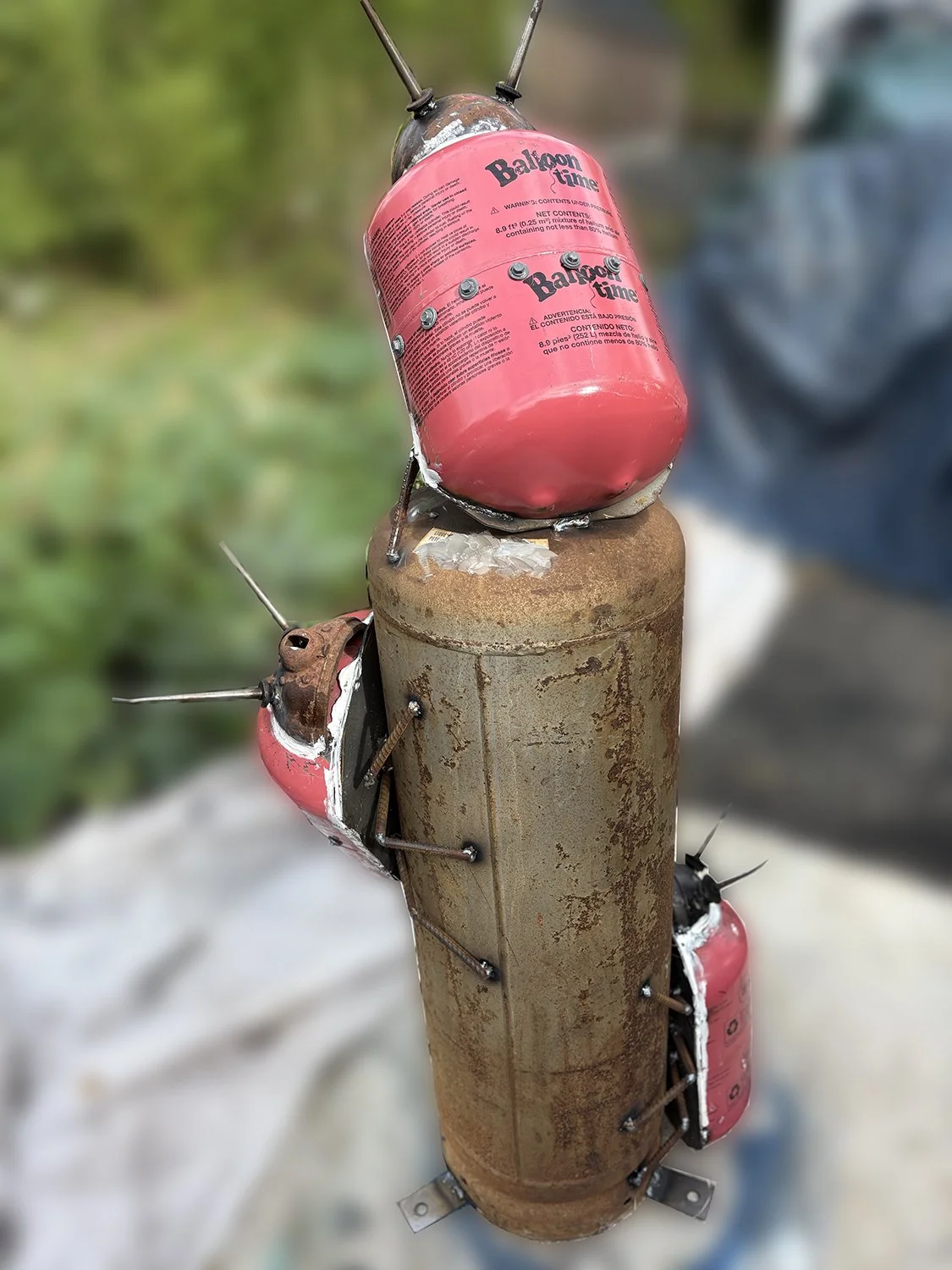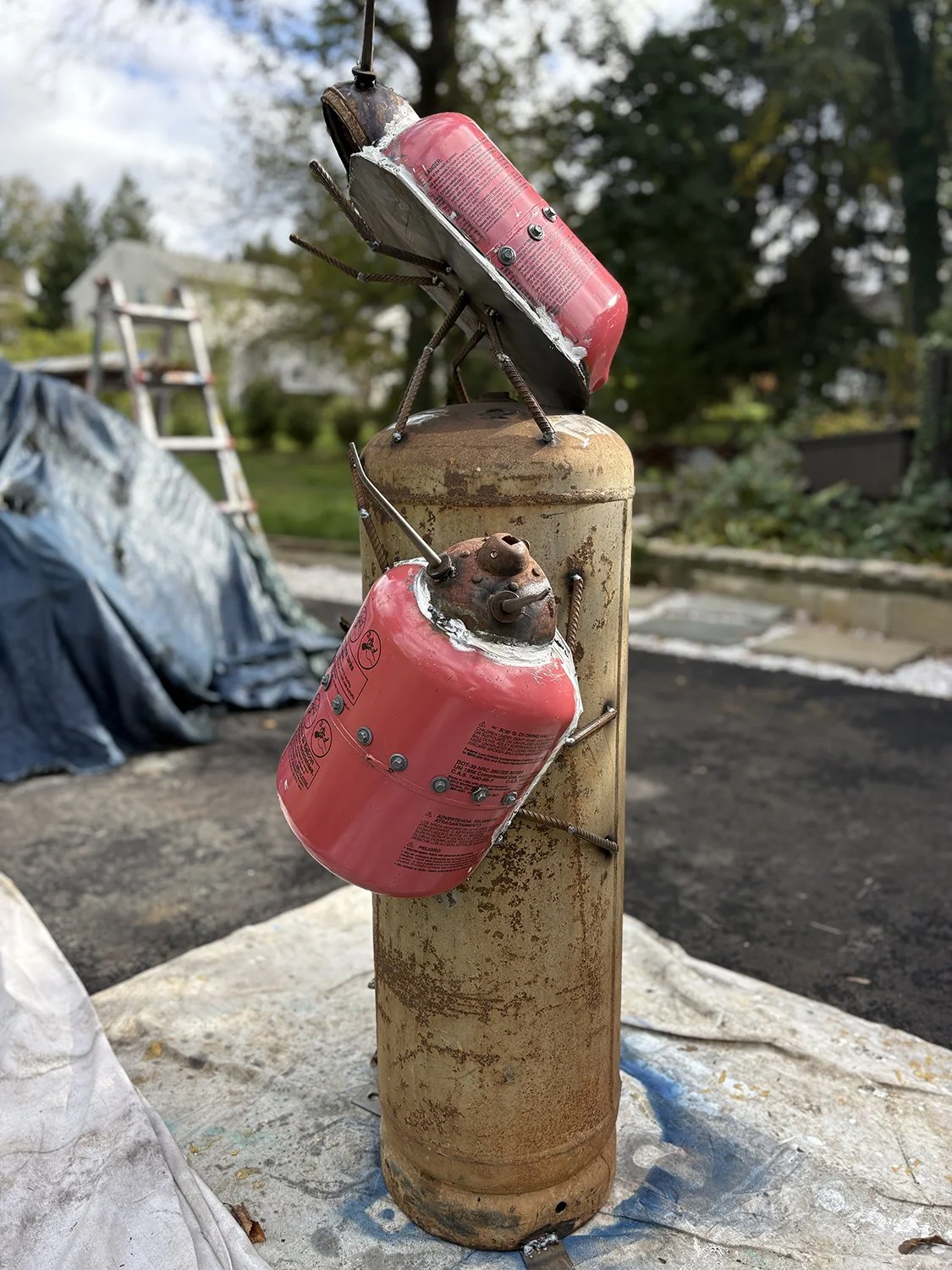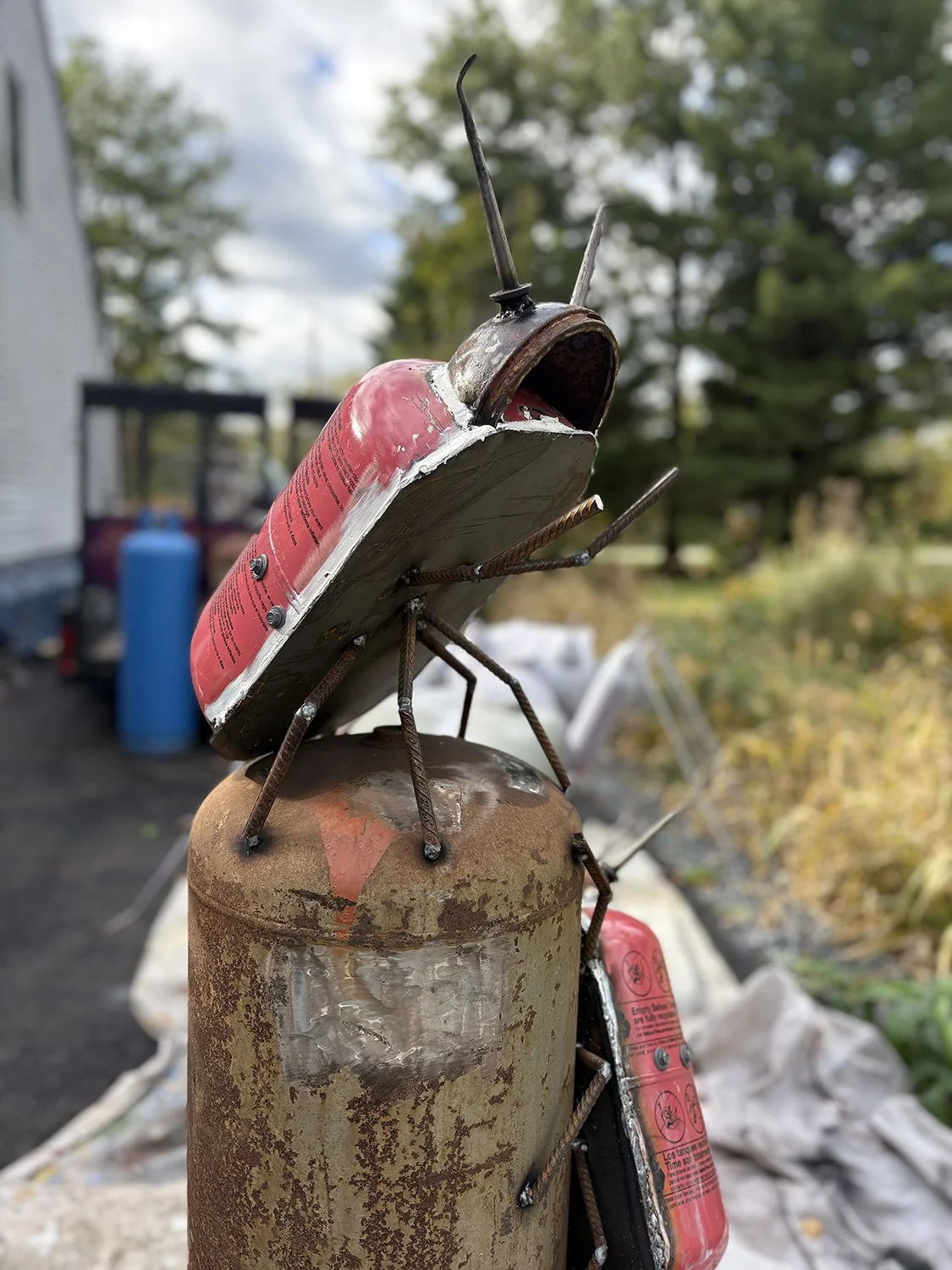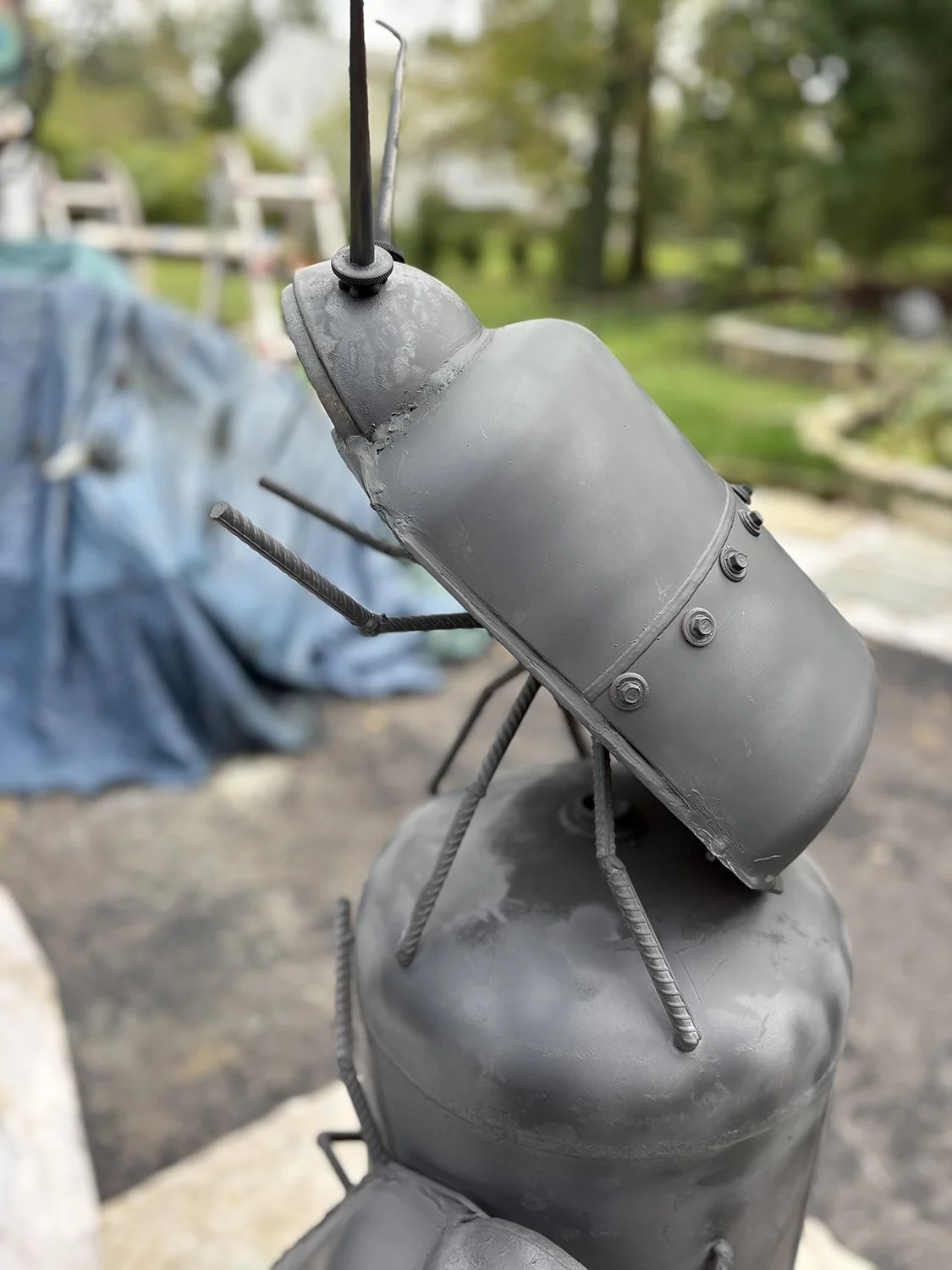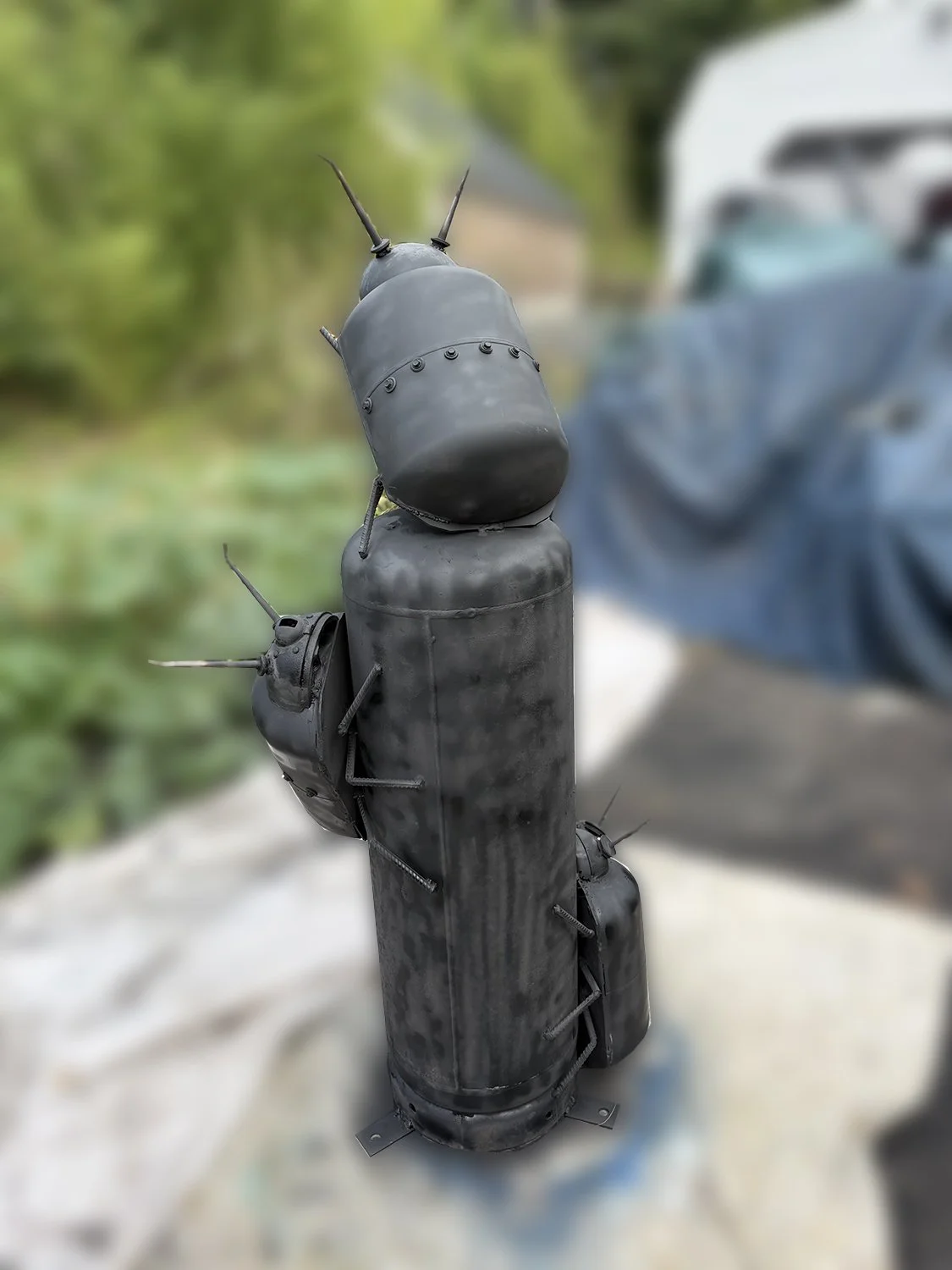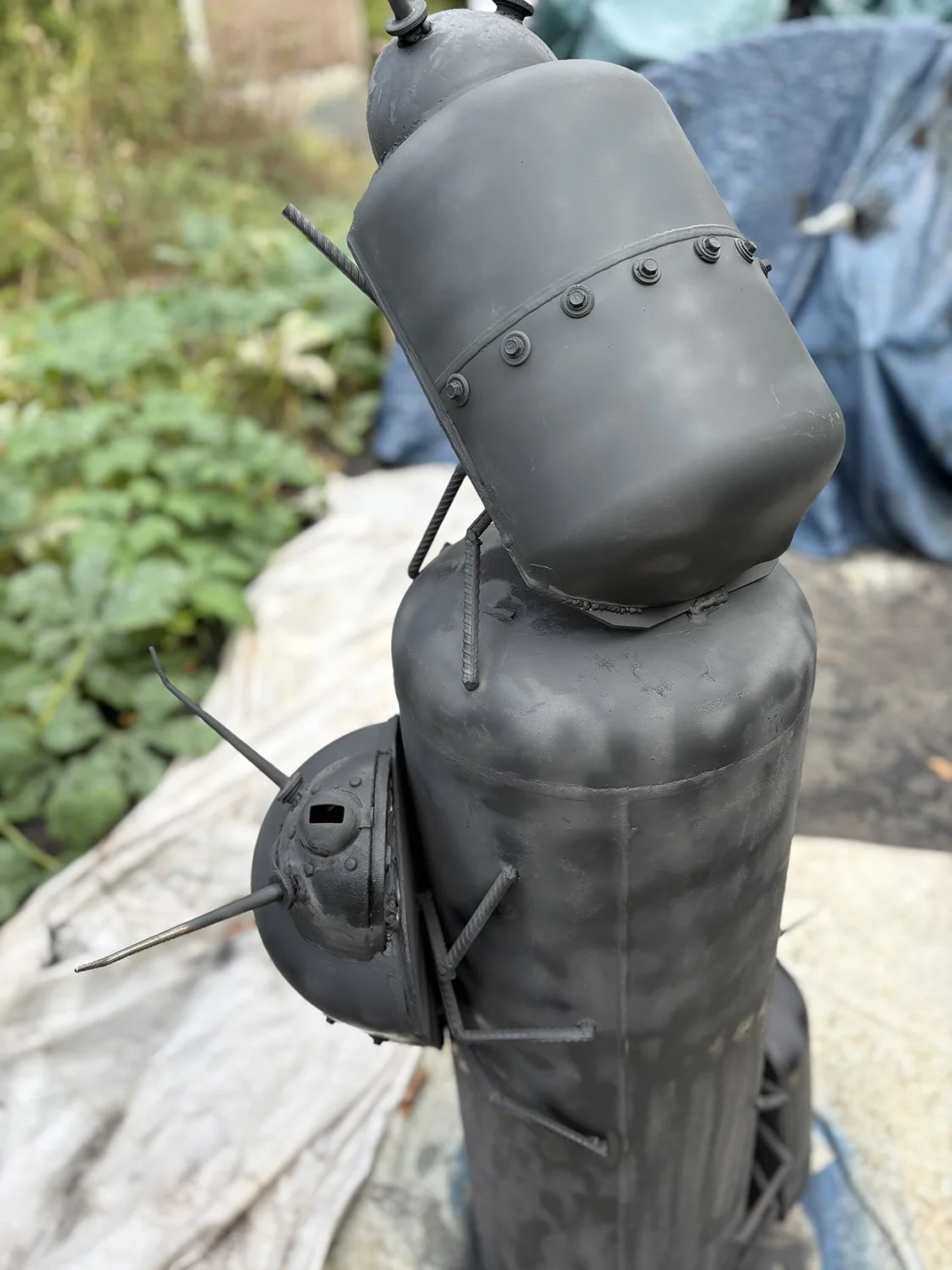
Aphids
2026+
Aphid Beetles — The Pulverizers
Material processing
Thousands of compact, low-profile insects crawl across loose terrain, crushing rocks and debris into graded mineral powder. They feed construction plants with a continuous supply of locally sourced material and help clear landing zones, pathways, and foundations.
At first glance, an aphid beetle resembles a compact, many-legged armored insect, its low-slung body protected by overlapping ceramic-metal plates. Its silhouette is inspired by the dense, rounded forms of beetles and the compact, clustered behavior of aphids. It has no need for wings or speed. Its purpose is to remain close to the ground, negotiate treacherous terrain, and process whatever loose material lies in its path.
Its front limbs function as articulated gathering tools, sweeping small stones, shattered rock fragments, and coarse regolith beneath its body. Rows of hardened cutting teeth break down larger fragments, feeding them into an internal crushing chamber. There, interlocking ceramic jaws, high-strength grinding plates, and vibrating mills reduce the collected material to progressively finer particles.
The beetle advances slowly across the surface, consuming the landscape a handful at a time.
A trail of powdered regolith emerges behind it.
This powder is not waste. It is the raw ingredient of extraterrestrial construction: the mineral feedstock from which bricks, sintered panels, radiation shielding, landing surfaces, and structural components can be manufactured. Depending on local chemistry and the intended application, the material can be compacted, heated, fused, or combined with extracted binders to produce durable building elements without shipping enormous quantities of construction supplies from Earth.
The aphid beetles operate in dense colonies. Individually, each machine accomplishes very little. Collectively, they can process vast fields of loose debris, gradually converting an unruly landscape into a carefully graded industrial worksite.
Their behavior resembles a hybrid of agriculture and mining. They follow concentration gradients toward accumulations of suitable material, avoid areas designated for scientific preservation, and distribute themselves according to the demands of the construction network. When one region has been sufficiently processed, the swarm migrates to another.
At night on the Moon—or beneath the dim sunlight of a distant asteroid belt—their small status lights move across the terrain like bioluminescent insects across a forest floor. From orbit, the individual machines are invisible. Their work is not. Broad, geometric swaths of processed ground gradually emerge from the natural terrain, revealing the earliest outlines of a settlement that does not yet exist.
-
![]()
Aphids in progress
-
![]()
Aphids in progress
-
![]()
Aphids in progress
-
![]()
Aphids in progress
-
![]()
Aphids in progress
-
![]()
Aphids in progress